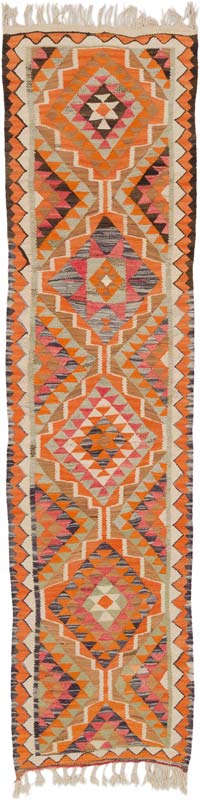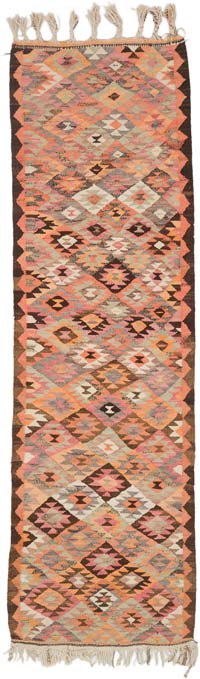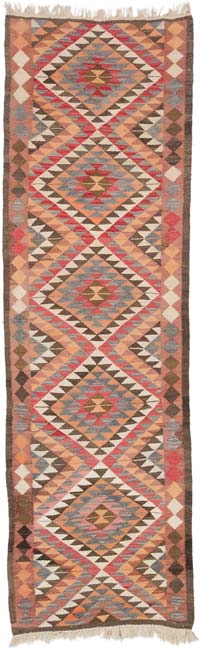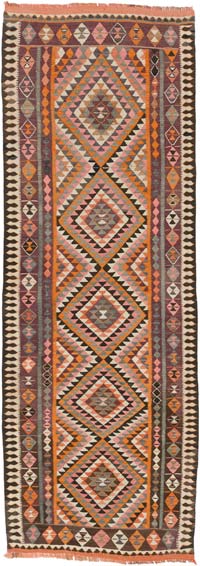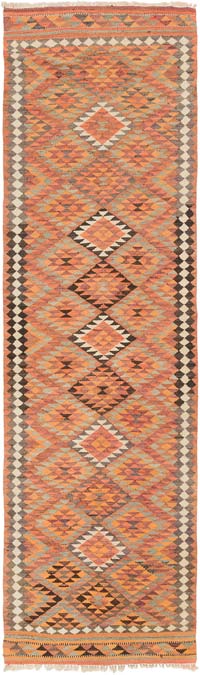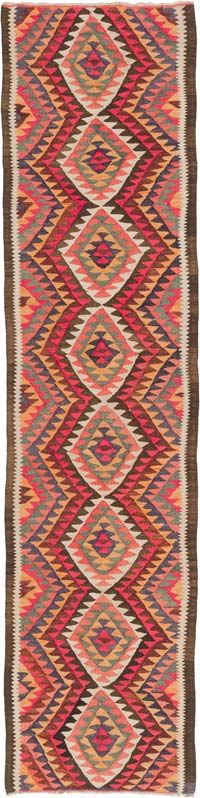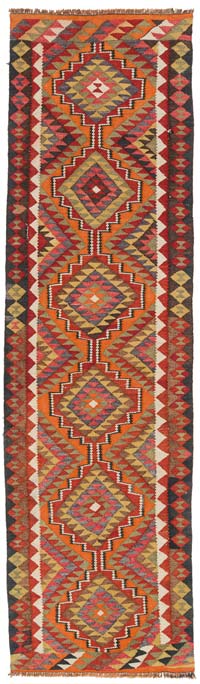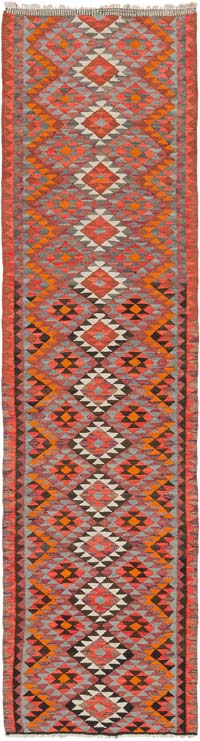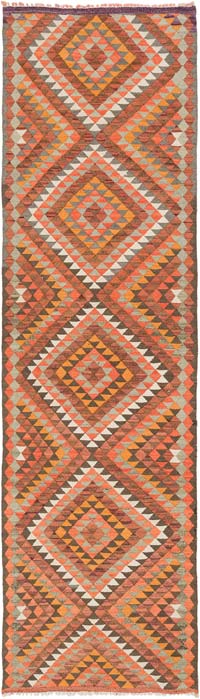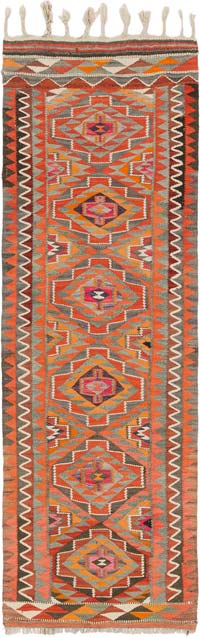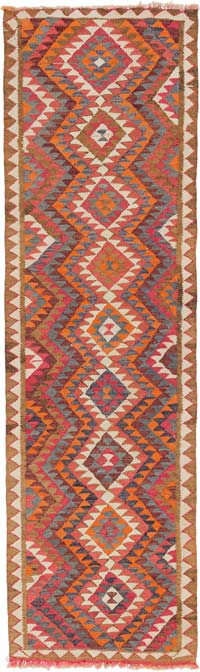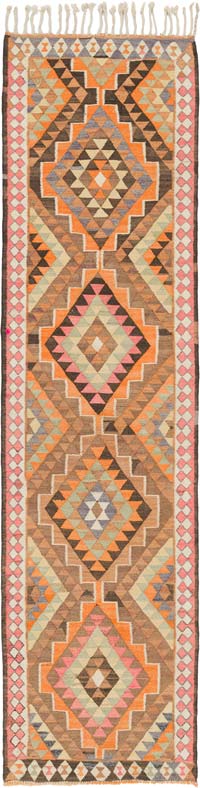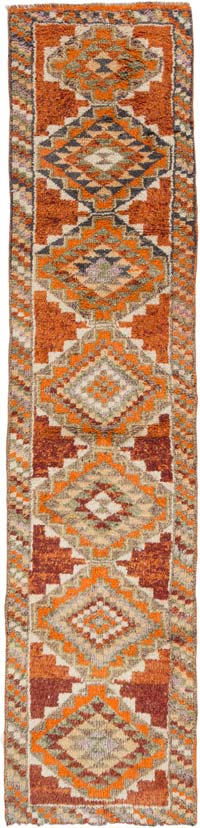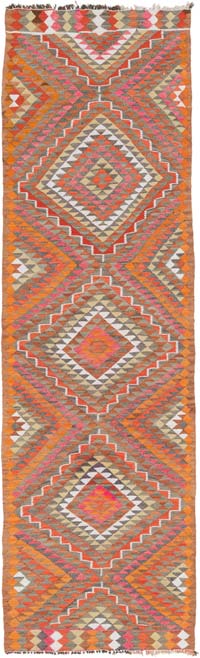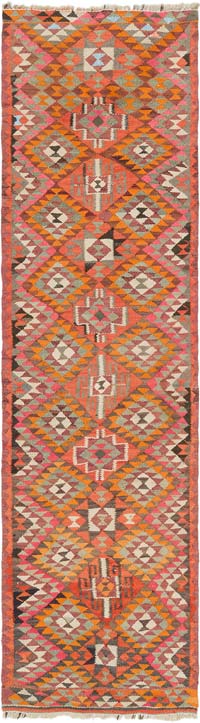
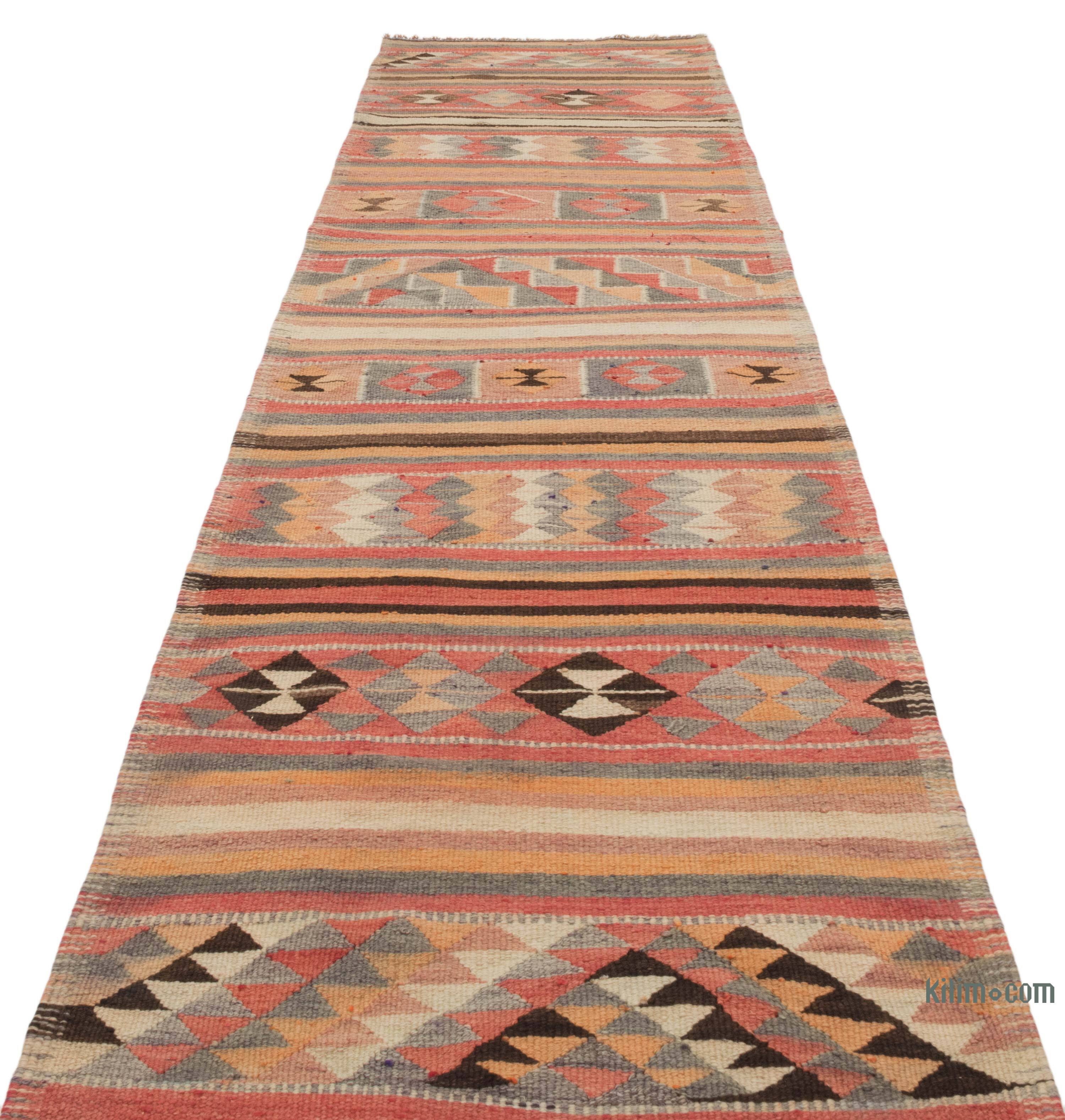

Vintage Tribal Kilim Runner 2' 10" x 11' 5" (34" x 137")
Type:
Kilim RugsCollection:
Tribal RunnersStyle:
TribalID:
K0077082Size:
Material:
- Ships in 2-5 business days
- All of our rugs are professionally cleaned; gentle wear from age and natural irregularities are inherent features of these one-of-a-kind handwoven vintage rugs.
- Only one in stock, handmade, unique
- Free shipping via FedEx Express. Returns & exchanges
- Contact us or add a note to your order if you want us to delay your shipping.
- Request more info if you want this rug shorter or narrower
The designs feature a rich array of symbols representing tribal culture and Anatolian motifs, often in the form of medallions, diamonds, and other geometric shapes. These kilim runners are ideal for hallways and narrow spaces, offering a touch of ethnic charm and artisanal quality to any interior.
Herki kilims not only serve as functional floor coverings but also as artistic expressions of tribal identity, making each rug a unique cultural artifact.
Design and Motifs of the Kilim Rug
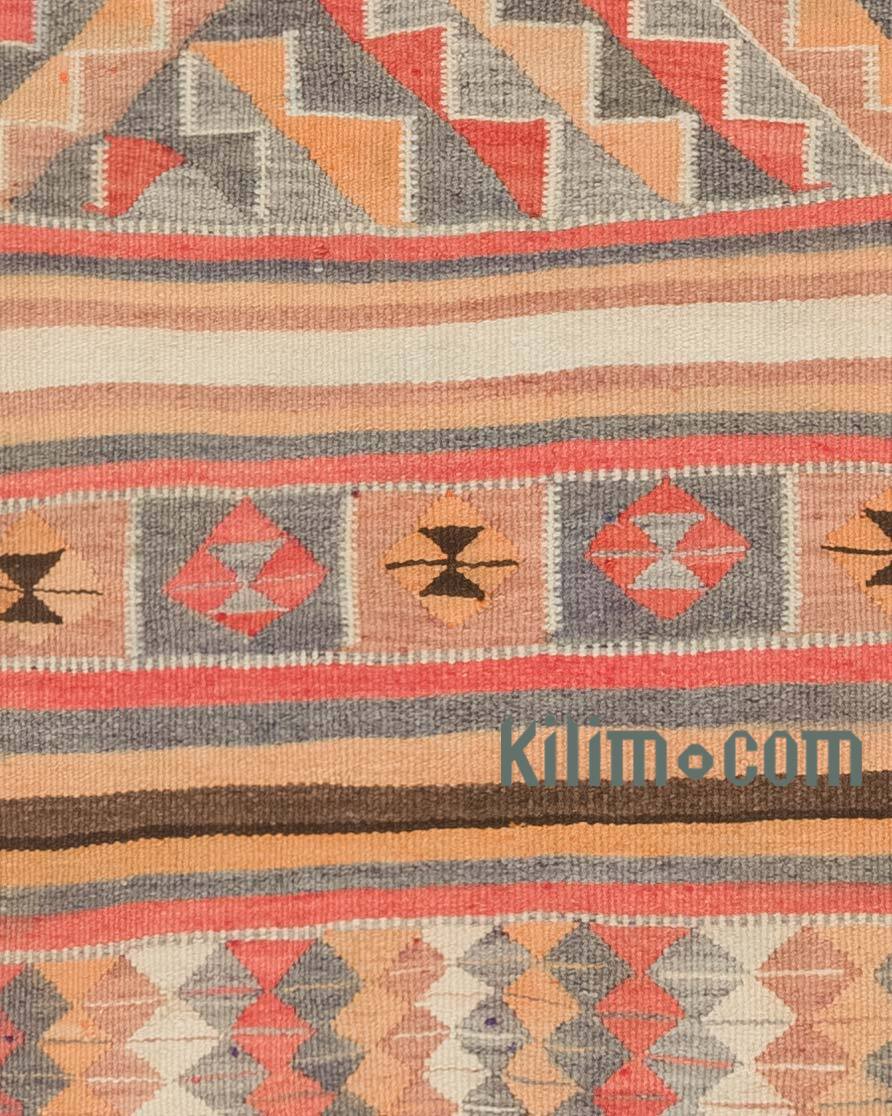
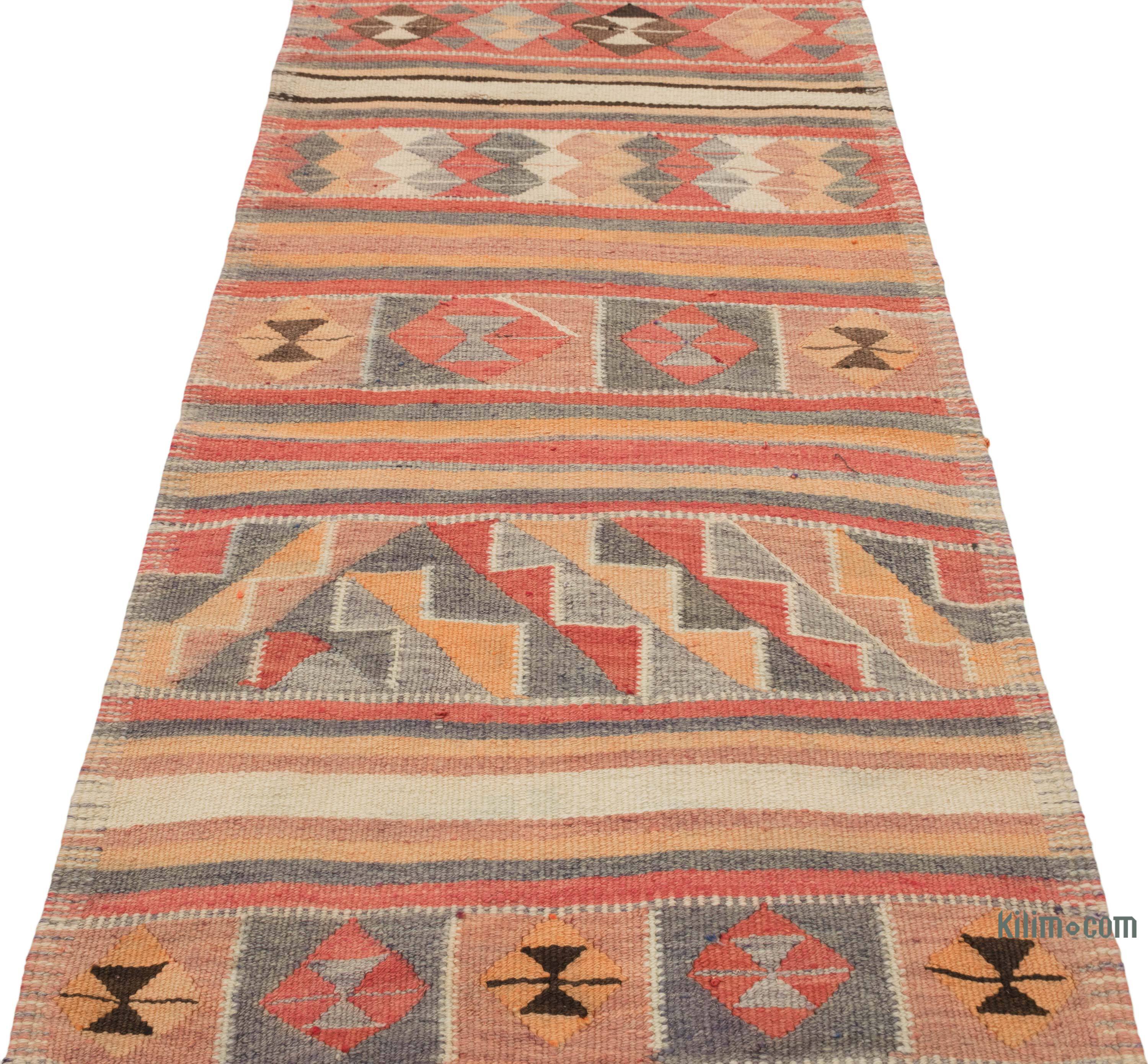
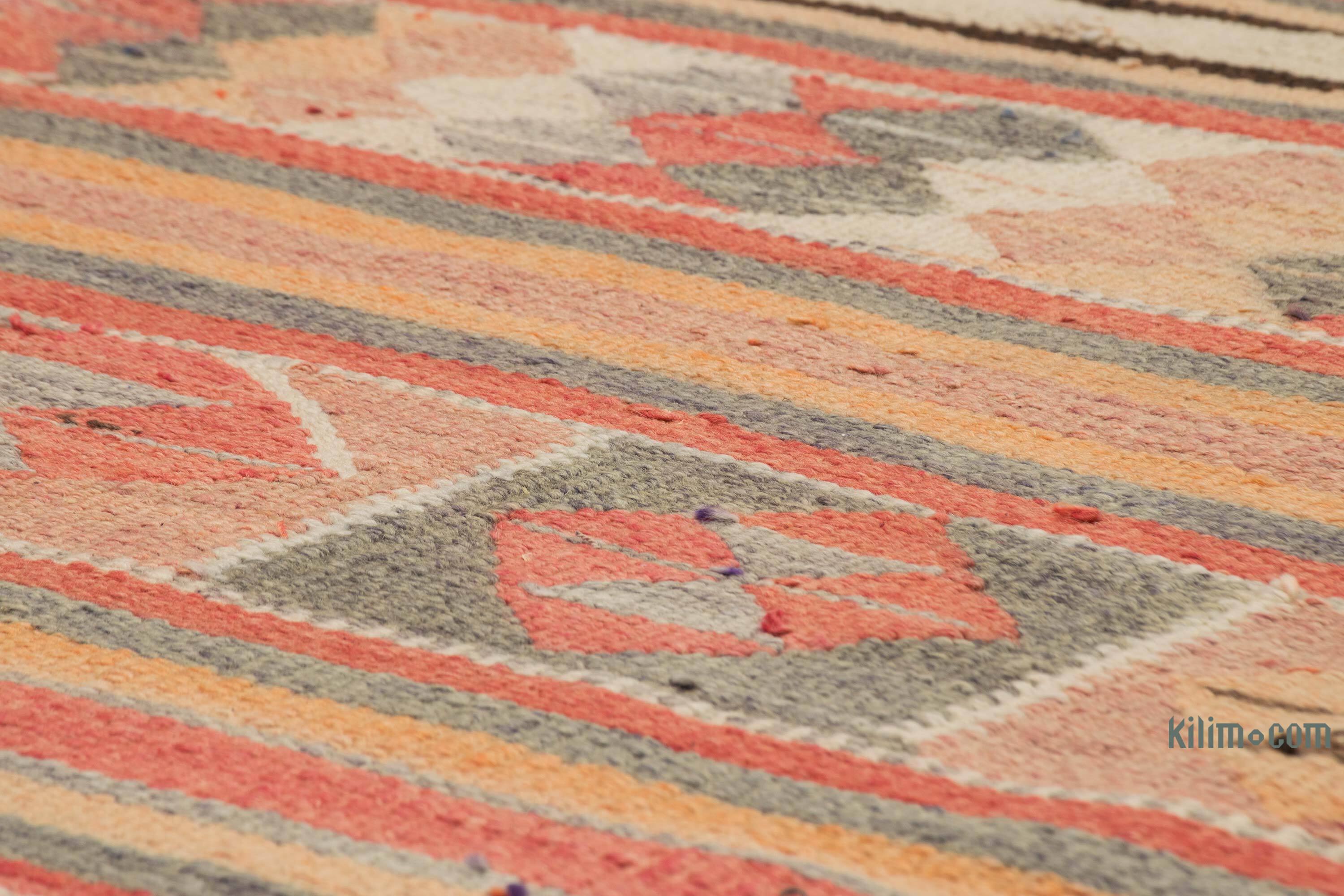
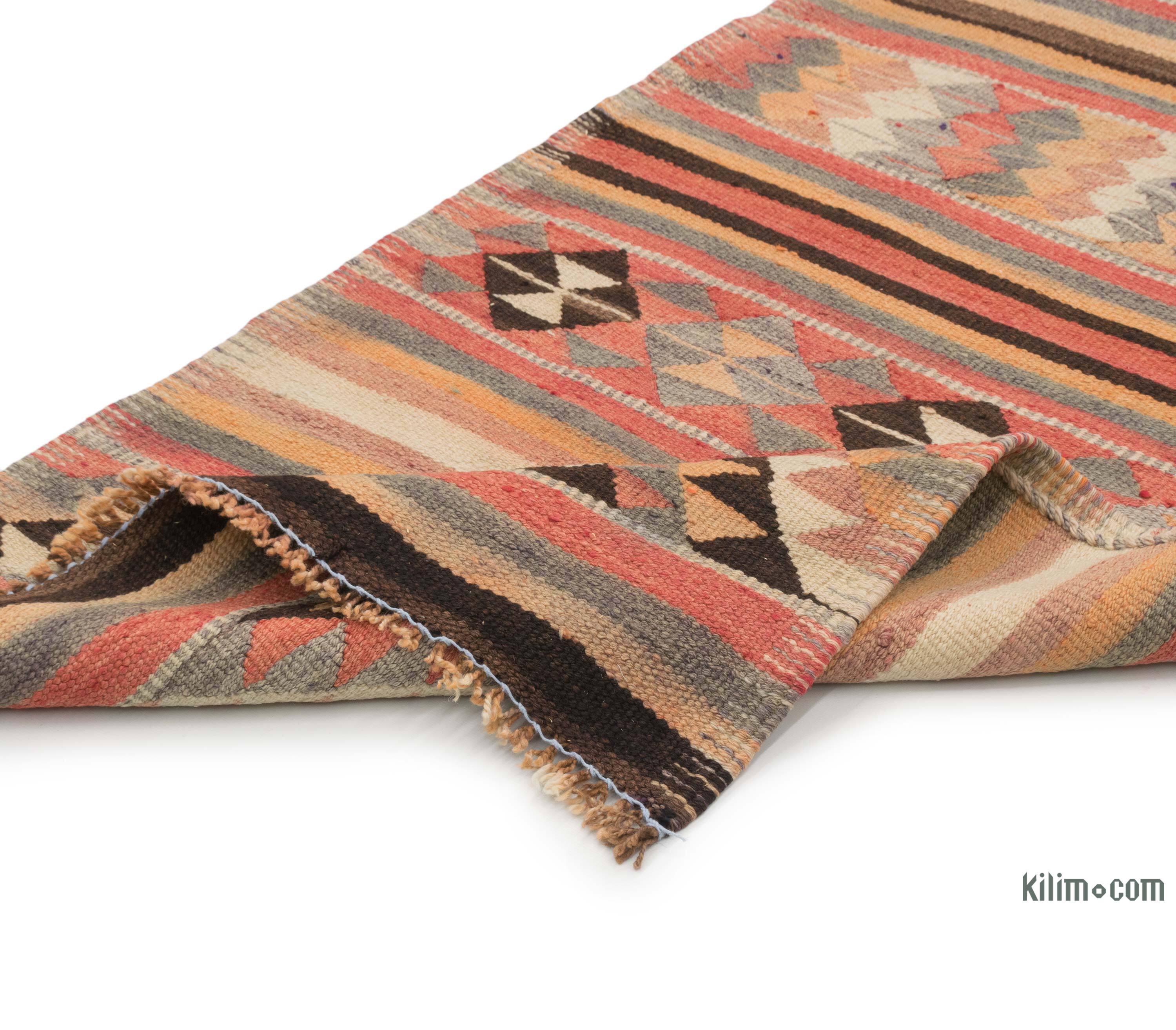
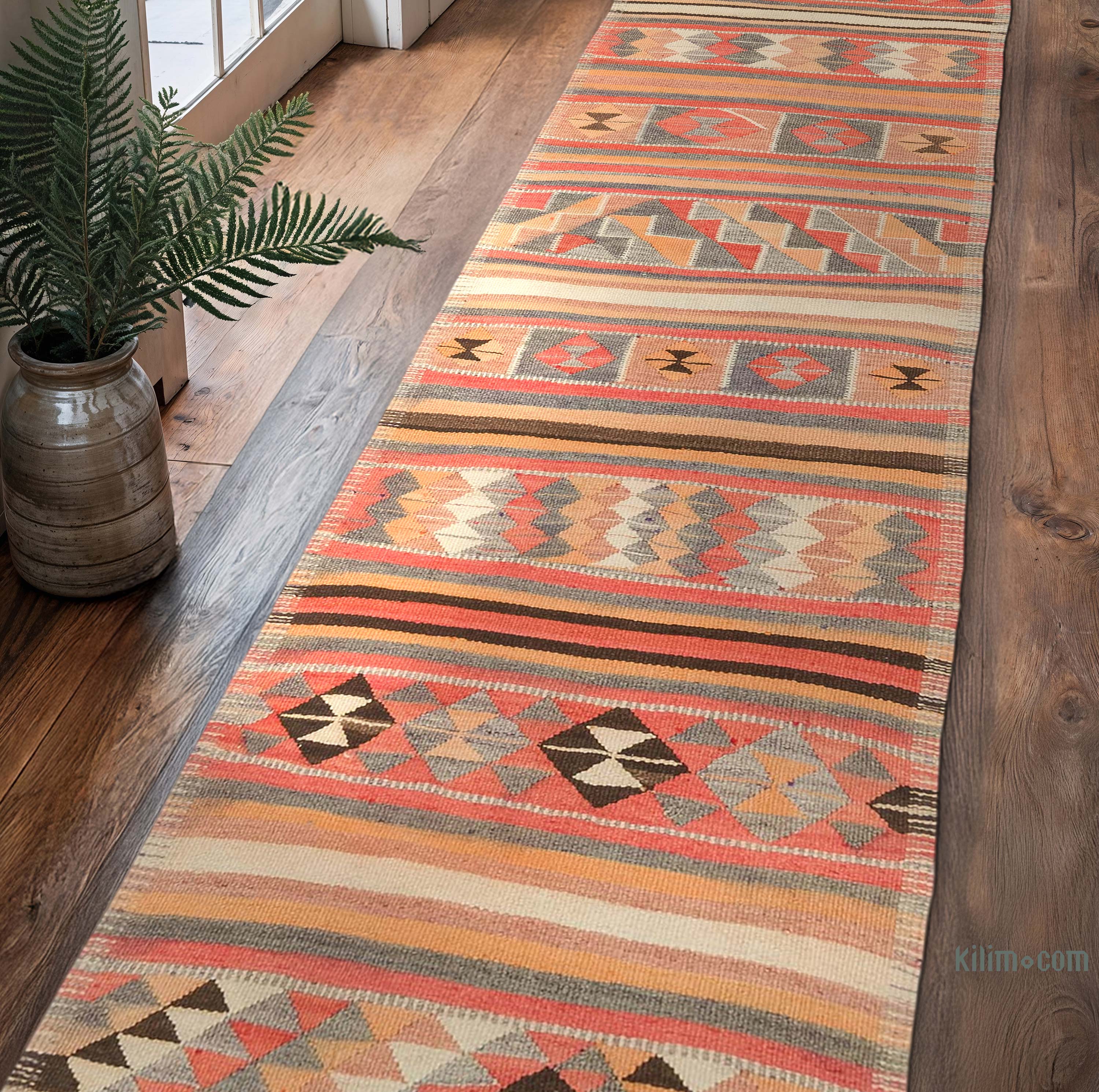
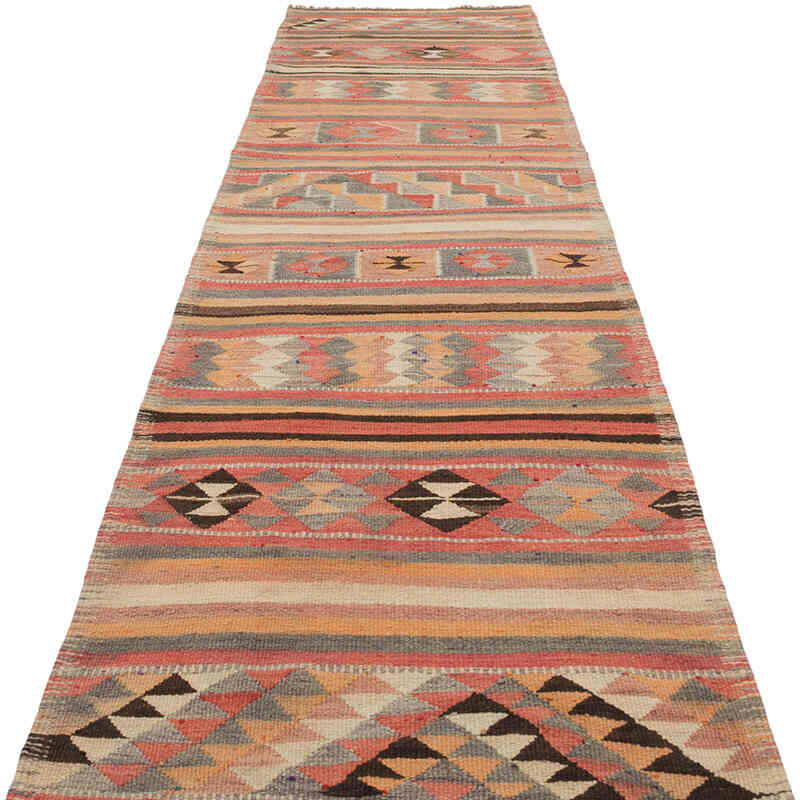
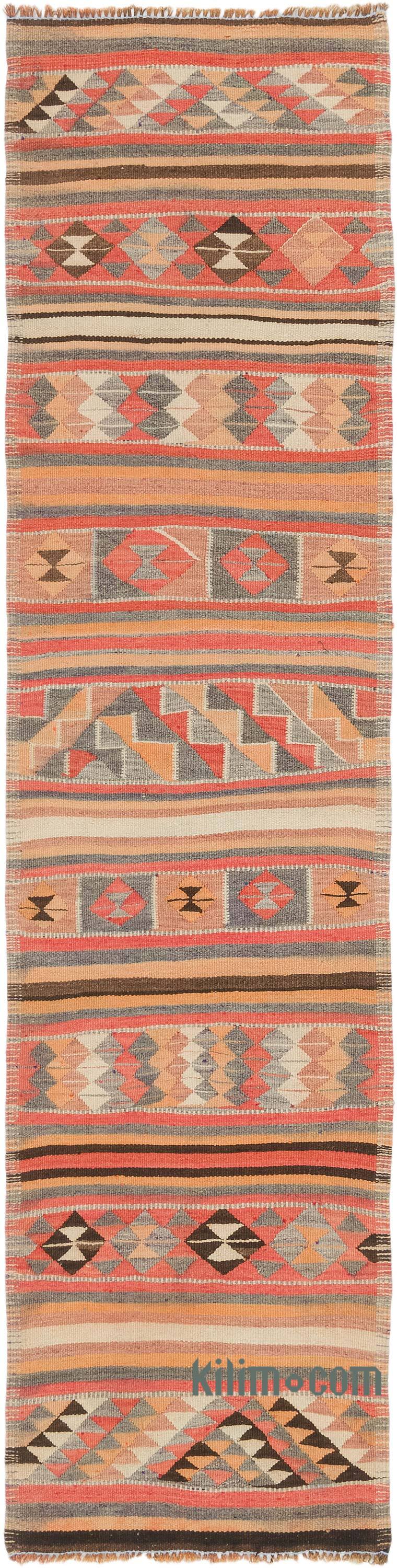
This Kilim rug showcases a warm palette dominated by earthy tones such as terracotta, dusty peach, soft beige, and muted grays, interwoven with occasional deep brown accents. Its design features a series of horizontal bands, each presenting geometric patterns that vary slightly yet maintain a rhythmic continuity throughout the rug’s length.
- Geometric Triangles: The recurring triangle shapes represent mountains and protection, symbolizing the strength and resilience of the weaver’s community. These triangles often form diamond shapes or stepped patterns, illustrating harmony and continuity.
- Hourglass Motif: Found in several bands, the hourglass symbolizes fertility and the rhythm of life. It is believed to embody protection for women and children, a profound emotional connection to family and legacy.
- Stripes and Bands: The alternating colored stripes provide a visual rest and frame the intricate motifs, reflecting a traditional narrative structure where each band tells a piece of the collective story.
- Checkerboard and Diamond Mesh: These elements convey abundance and interconnectedness, serving as a reminder of community bonds and prosperity that the weavers strive for.
Every motif reflects more than artistic flair; they capture the spirit, hopes, and everyday lives of the Anatolian weavers. To immerse yourself deeper into these captivating symbols, visit our Kilim motifs and symbols page.
Integrating This Kilim Rug Into Interior Design
This rug’s earthy colors and geometric motifs effortlessly blend with several interior design styles, making it a versatile and enriching addition to any space.
- Bohemian and Eclectic Interiors: Its rich textures and warm hues complement the free-spirited and layered aesthetic of boho design. Pair it with vibrant cushions and plants for an inviting, worldly vibe.
- Mid-Century Modern: The rug’s geometric patterns echo the clean lines and shapes favored in mid-century styles. Its muted palette allows the rug to enhance the furniture’s form without overwhelming the space.
- Scandinavian and Minimalist: While minimalist interiors rely on simplicity, this Kilim adds understated warmth and subtle visual interest. Its natural tones blend seamlessly, making it ideal for adding texture to a stark environment.
- Rustic and Farmhouse: The handwoven quality and traditional motifs resonate with rustic charm, connecting to nature and heritage. It complements wooden furnishings and natural fabrics effortlessly.
- Modern and Contemporary: This Kilim acts as a tactile statement, softening sleek, modern interiors while adding an artisanal touch. Its timeless craftsmanship becomes a focal point that invites storytelling.
Rolling Up
This Kilim rug is a beautiful narrative woven in color and pattern. Its geometric patterns embody timeless symbols of protection, fertility, and community, offering layers of cultural richness. Warm earth tones and subtle contrasts make it adaptable, enhancing a variety of interior aesthetics from bohemian to minimalist. Introducing this rug into your home creates not only visual interest but also a heartfelt connection to Anatolian weaving traditions.
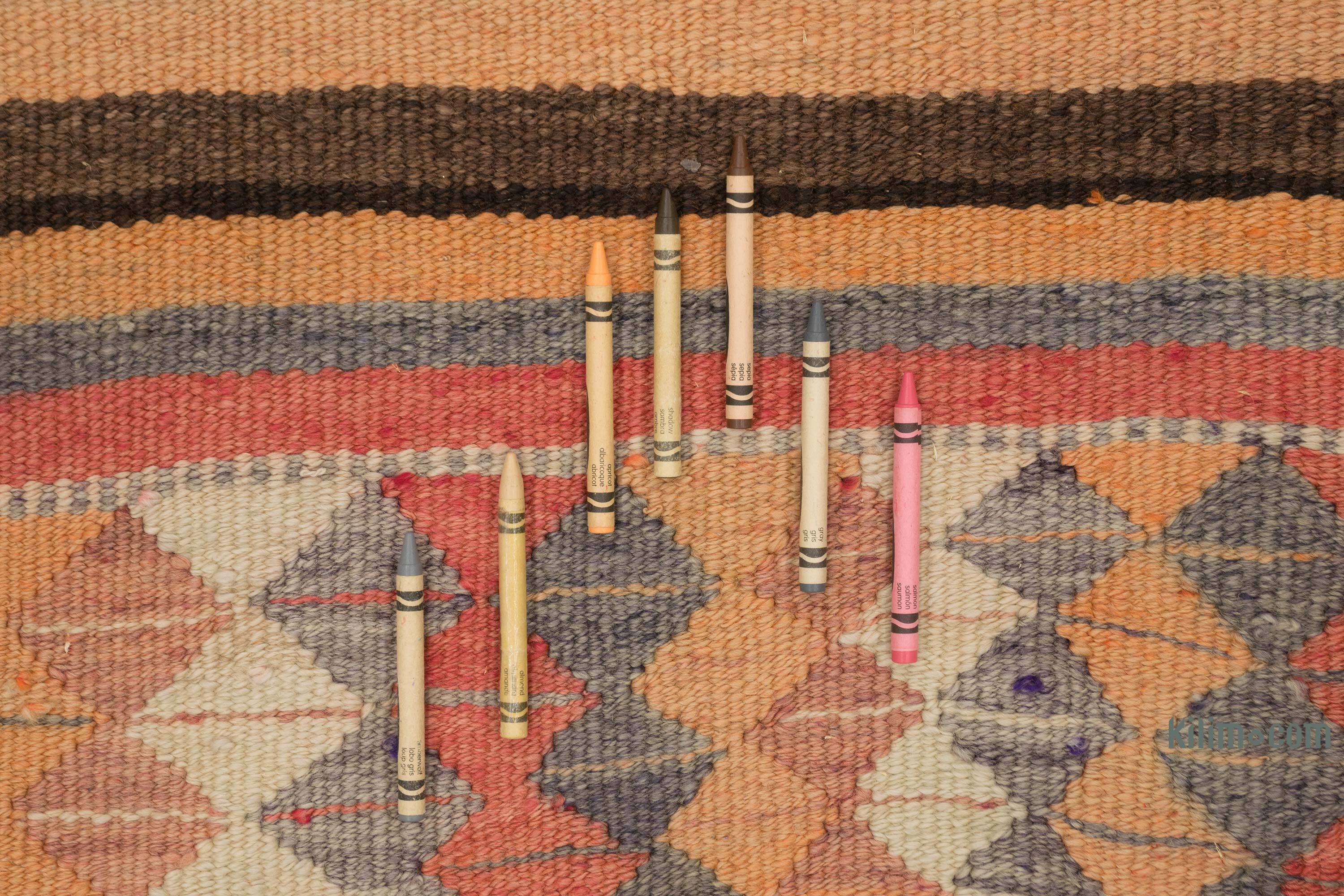
Colors may appear slightly different across various monitors due to screen settings device differences, and external lighting conditions. If color accuracy is important for your space, we recommend viewing the rug on multiple devices or contacting us for a detailed color description. We can provide detailed photos and references using Sherwin-Williams, Benjamin Moore, Pantone, or even Crayola crayons.
You can also visualize most of our products in your own room with AR (augmented reality) on an iPhone or iPad.
Return Policy
Need a rug pad? We recommend RugPadUSA