
The Rug That Has a Past (and Why That Makes All the Difference)
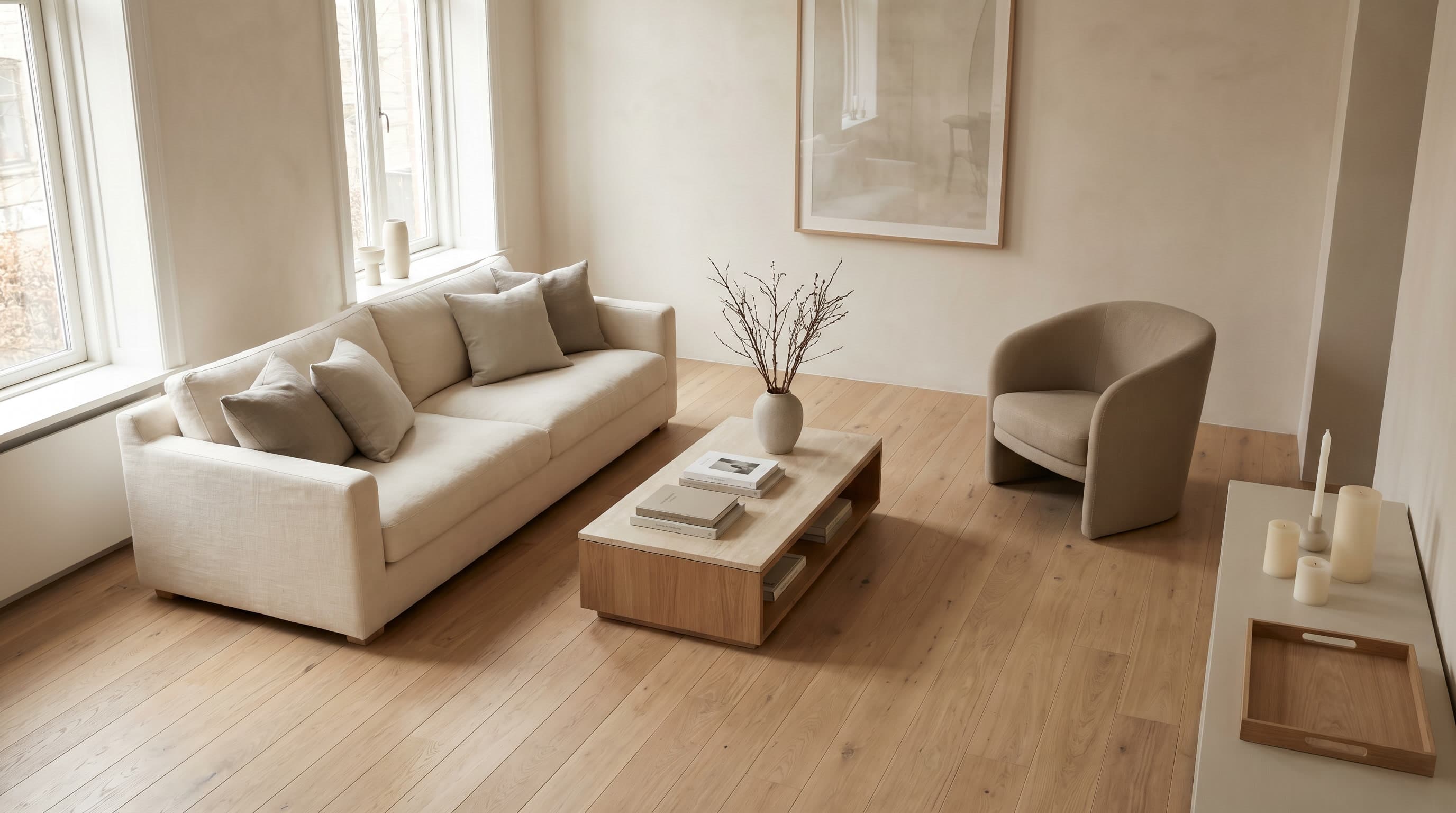
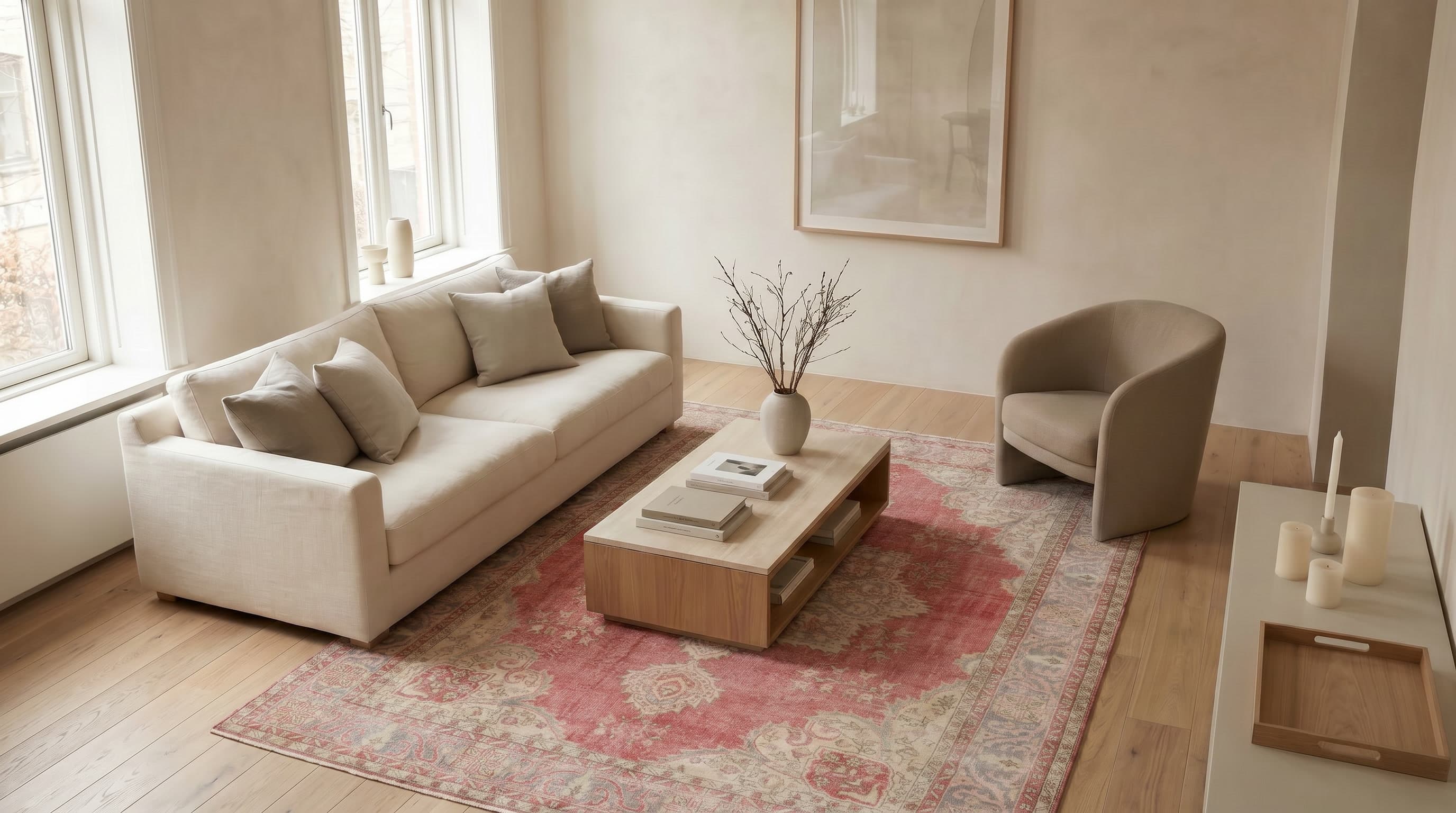
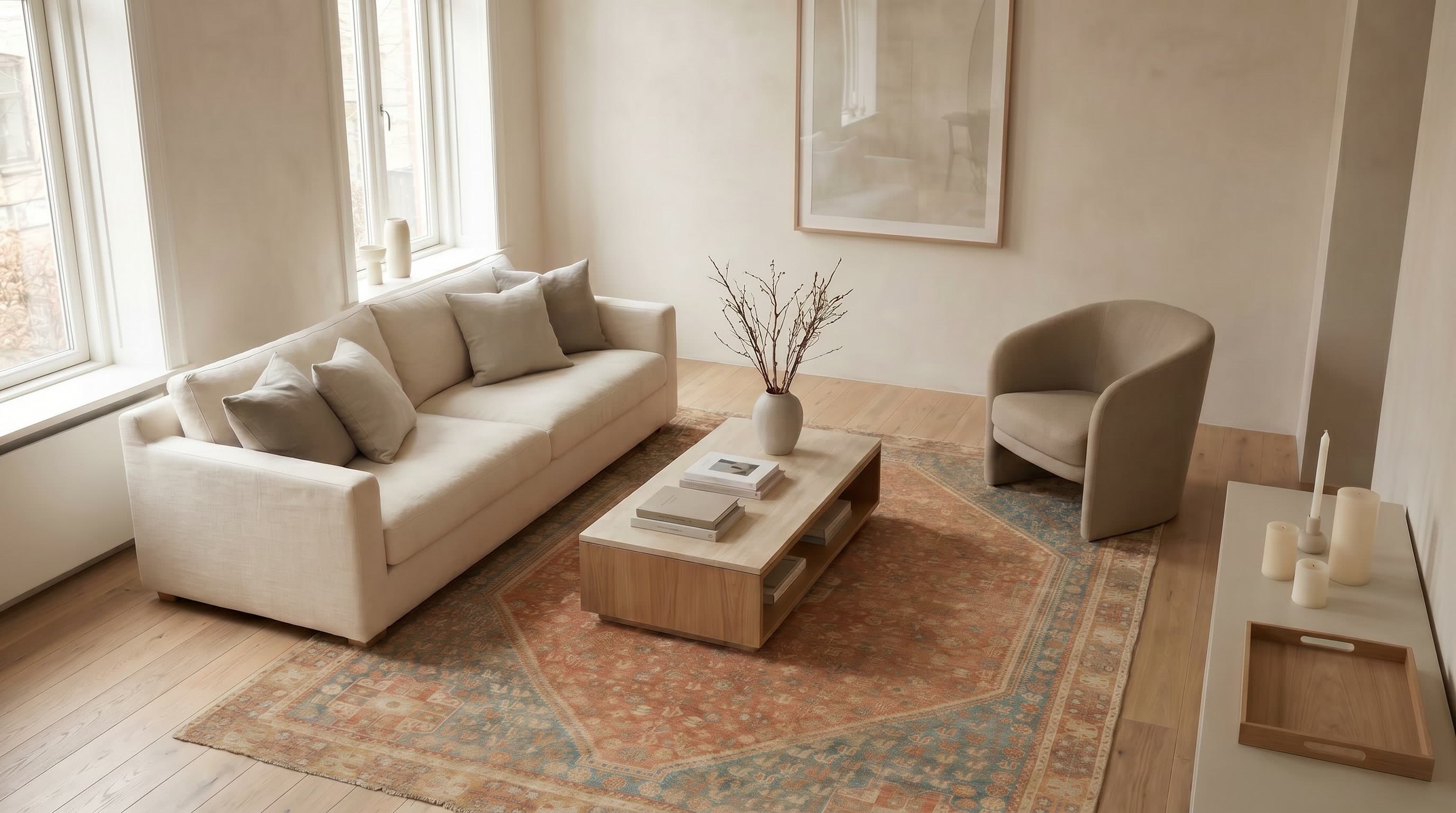
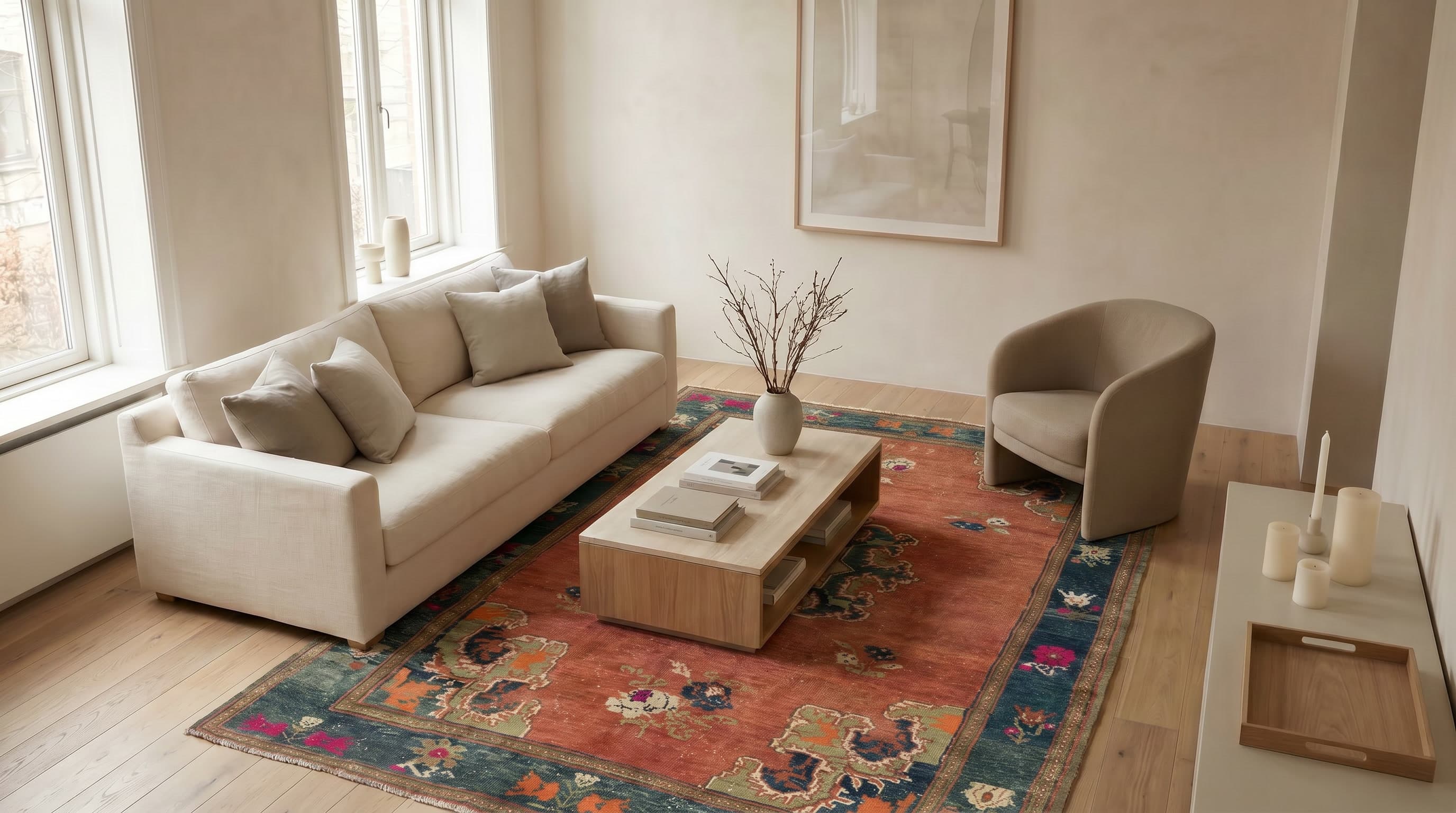
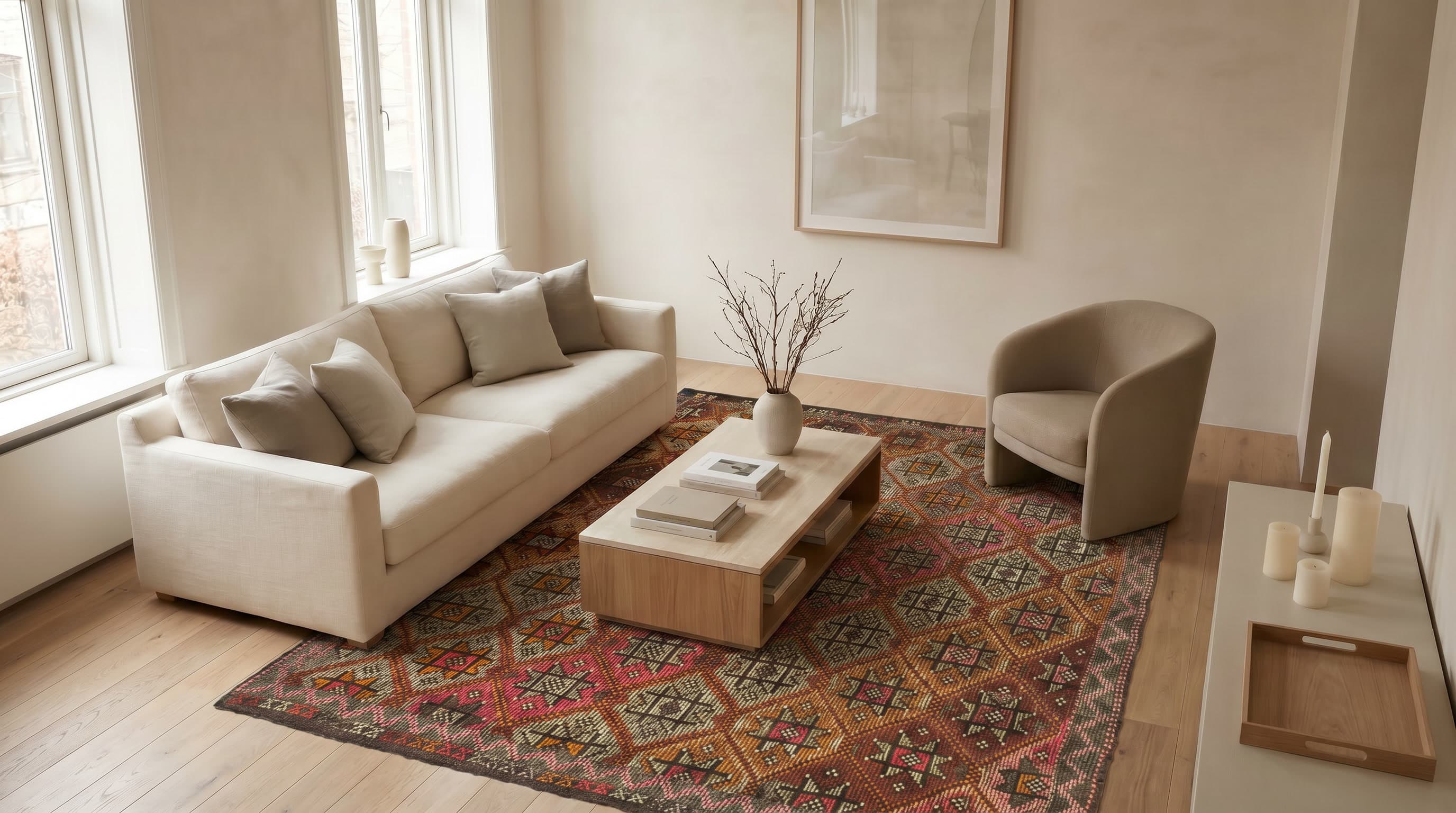
There's a moment a lot of people recognize — standing in a room that looks perfectly fine on paper, everything coordinated, nothing obviously wrong, and yet somehow it feels flat. Like a playlist you've curated so carefully it's lost all surprise. The furniture is good. The paint color was agonized over. But the space doesn't quite breathe.
Often, the missing piece is right underfoot.
A handwoven vintage rug doesn't just fill a room. It changes the quality of attention in it — the way it slows you down, makes you look closer, gives you something to actually settle into. That's not something a mass-produced rug can reliably do, regardless of how convincing the pattern.
What the Eye Is Actually Responding To
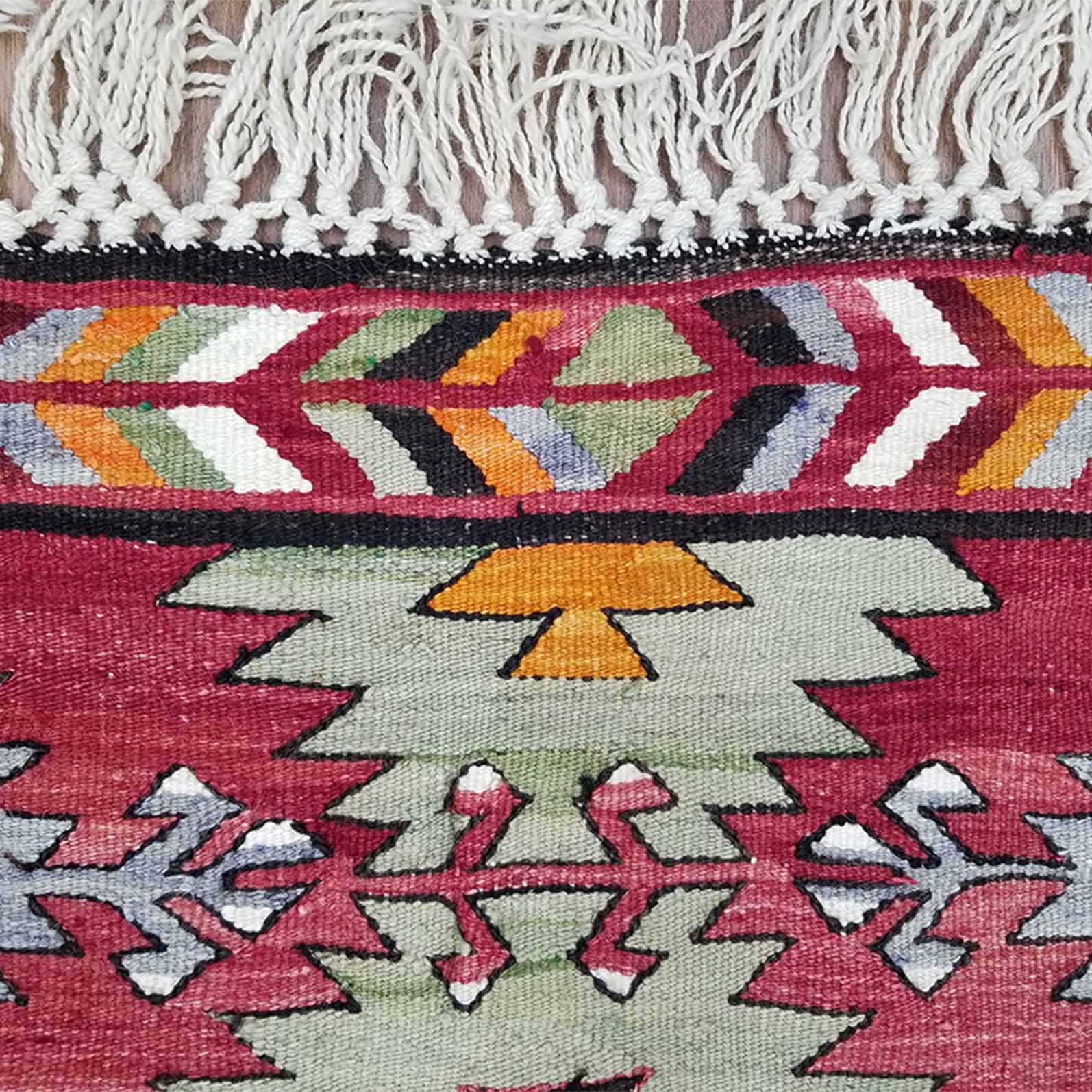
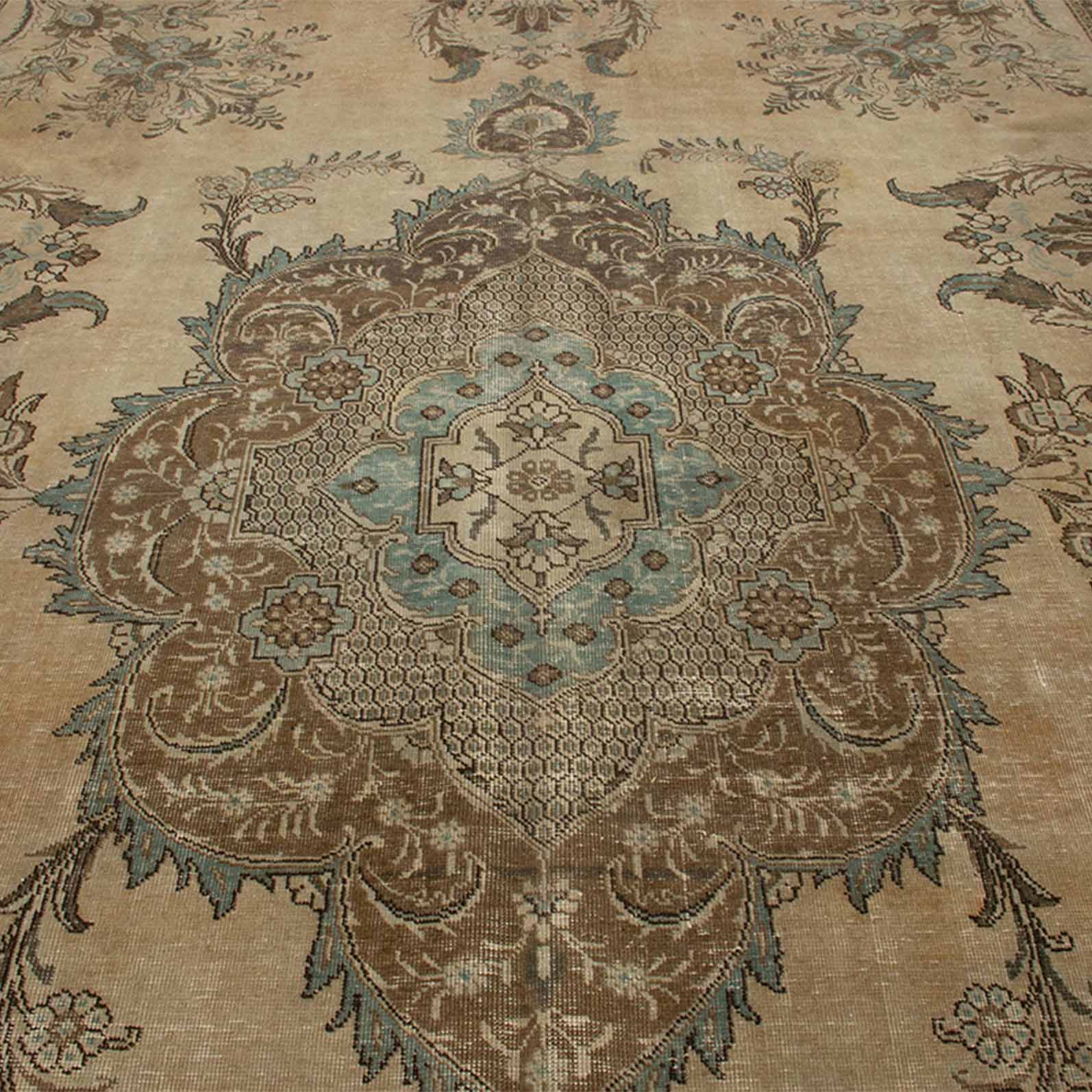
When people say a vintage rug has "character," they're pointing at something real even if they can't name it. What they're registering is variation — subtle inconsistencies in color, slight shifts in pile density, a section of pattern that sits just a little differently than the one beside it.
In a handwoven rug, none of that is a flaw. It's evidence of a human hand at work. The weaver adjusted tension. Light changed through the day. Dye lots shifted between sessions. Over years, sometimes decades, the rug developed a patina — not the look of age, but actual age, which is a different thing entirely. You can see it in the way the colors have found each other rather than simply coexisting.
Machine-made rugs are built around consistency, and that consistency has a cost. The eye moves across a uniform surface and finds nothing to hold it. With a handwoven piece, especially a vintage one, there's always more to notice — sometimes in a single square foot.
The Warmth of Something Imperfect
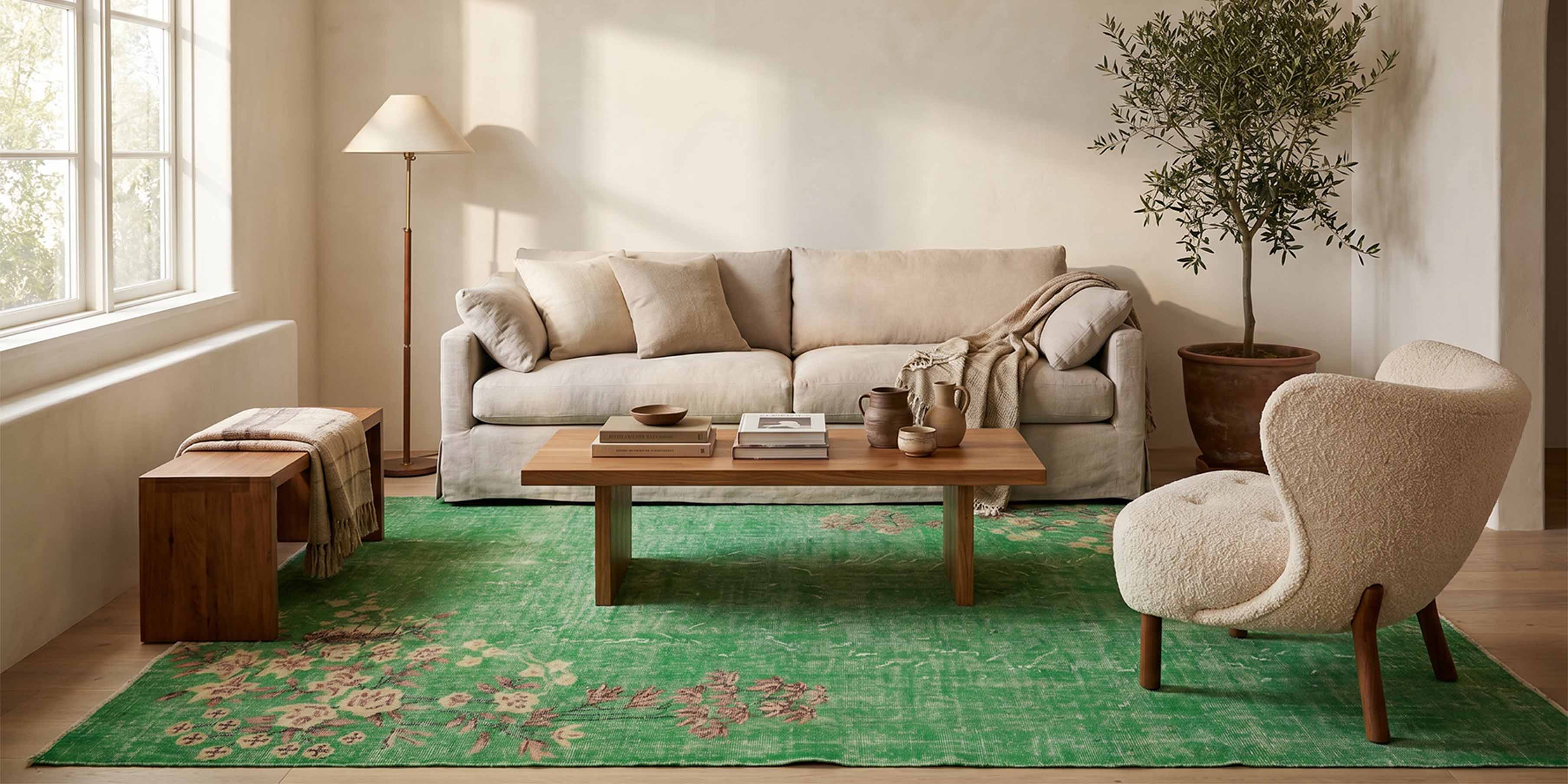
The most compelling interiors — the ones that feel genuinely considered rather than assembled — almost always include a rug with some history. A slightly irregular border. Colors that have mellowed toward each other over time. A weave pattern with the mild, pleasing wobble of something made by hand rather than enforced by machine.
These qualities do something that perfect, symmetrical objects can't: they make a room feel inhabited. Not messy — inhabited. There's a difference, and most people can feel it even when they can't explain it.
A good vintage kilim or hand-knotted Turkish rug carries a visual warmth that's difficult to manufacture because it isn't manufactured — it accumulated. The wool has compressed and bloomed in just the right proportions. The colors have done their work. You're not waiting for the room to settle. It already has.
Why They Work in Rooms You Wouldn't Expect
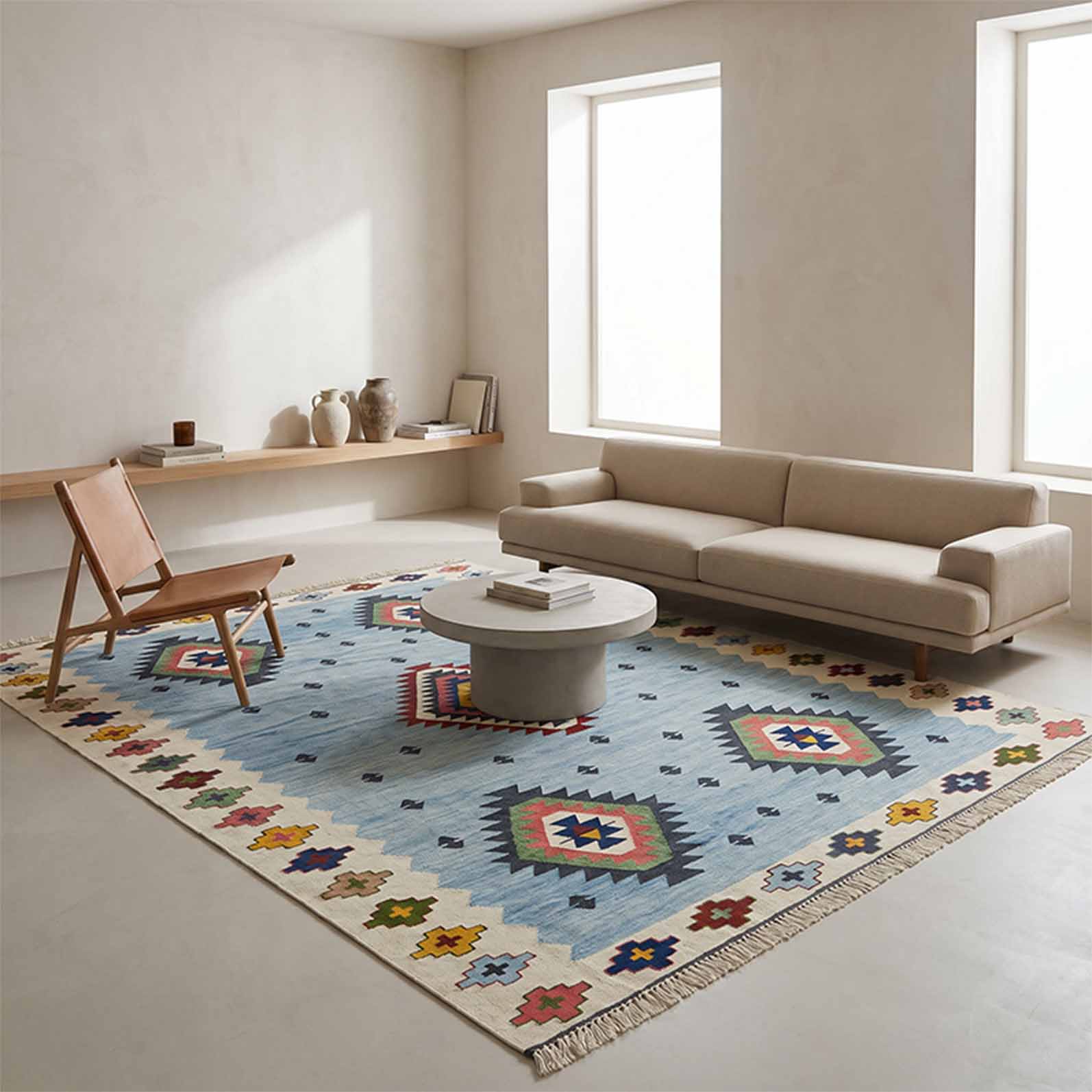
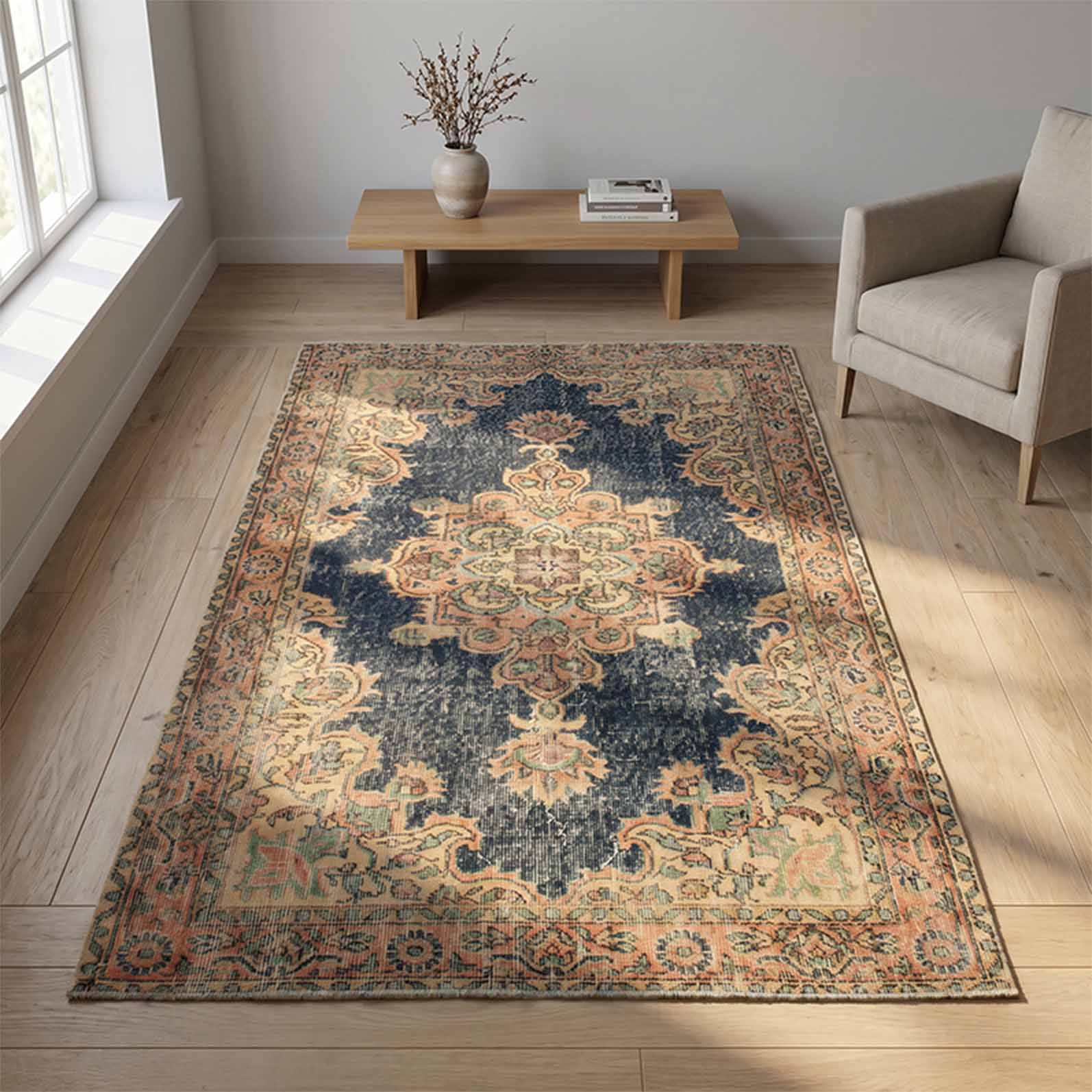
The assumption that vintage rugs belong only in traditional spaces — heavy furniture, dark walls, a certain kind of inherited formality — doesn't hold up in practice. A flat-woven kilim with strong geometric patterning can be startlingly effective in a spare, contemporary interior. The geometry reads as graphic rather than ornate. The age adds depth without adding fuss. In a room full of clean lines, that rug becomes the point of interest — the thing that saves the space from feeling provisional.
Hand-knotted Turkish rugs work similarly. Their layered patterns and dense wool don't compete with modern furniture so much as anchor it. And because their colors have already done their mellowing — already absorbed years of light and use — they're remarkably forgiving. They have a way of getting along with almost anything placed near them.
Part of this is age, and part of it is material. Natural dyes, vegetable-based pigments, and handspun wool respond to light differently than synthetics do. A good vintage piece looks one way in the morning and something slightly different by afternoon. That responsiveness to the room's actual conditions is one of the quieter pleasures of living with one of these rugs — something you notice without noticing you've noticed it.
The Practical Case for Something With a History
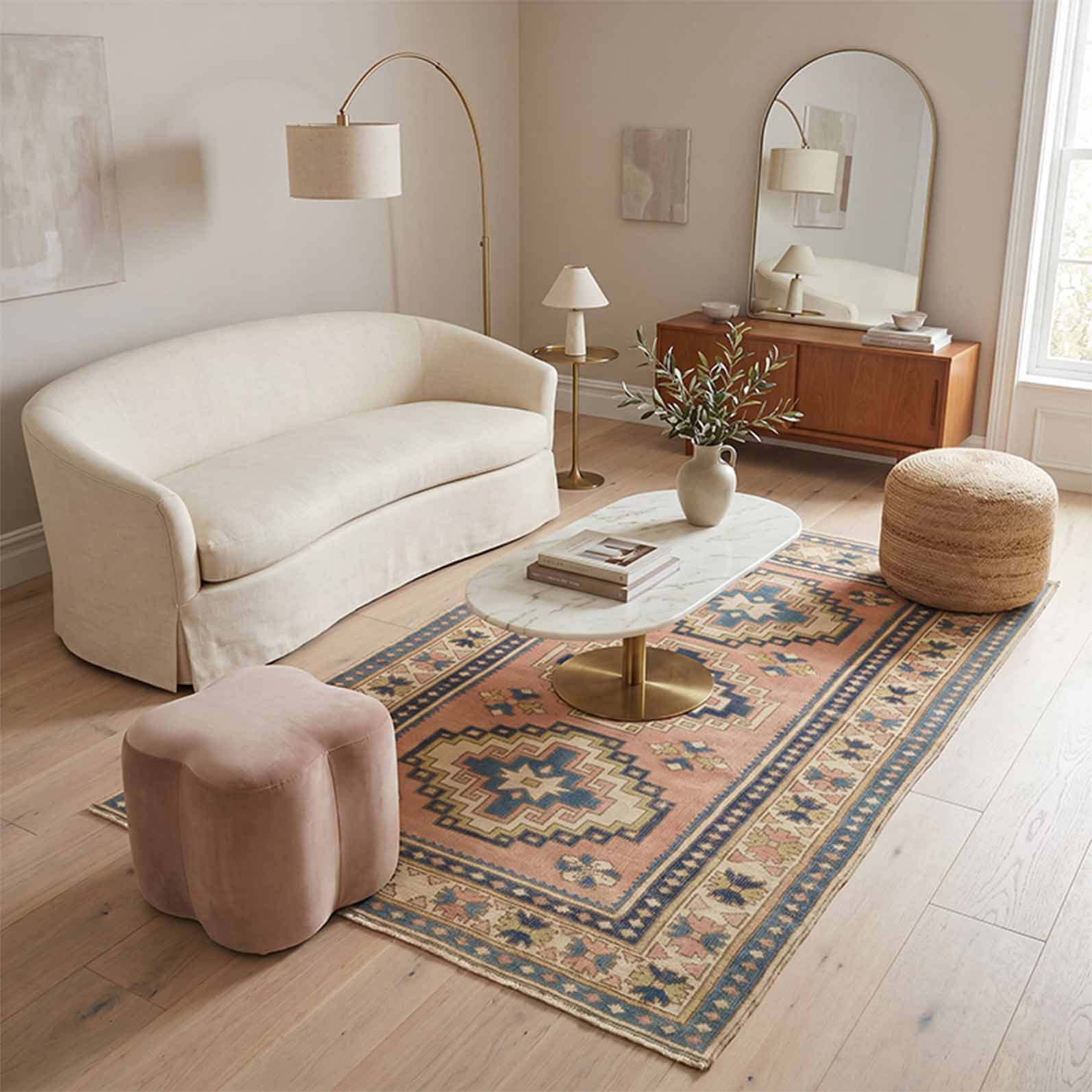
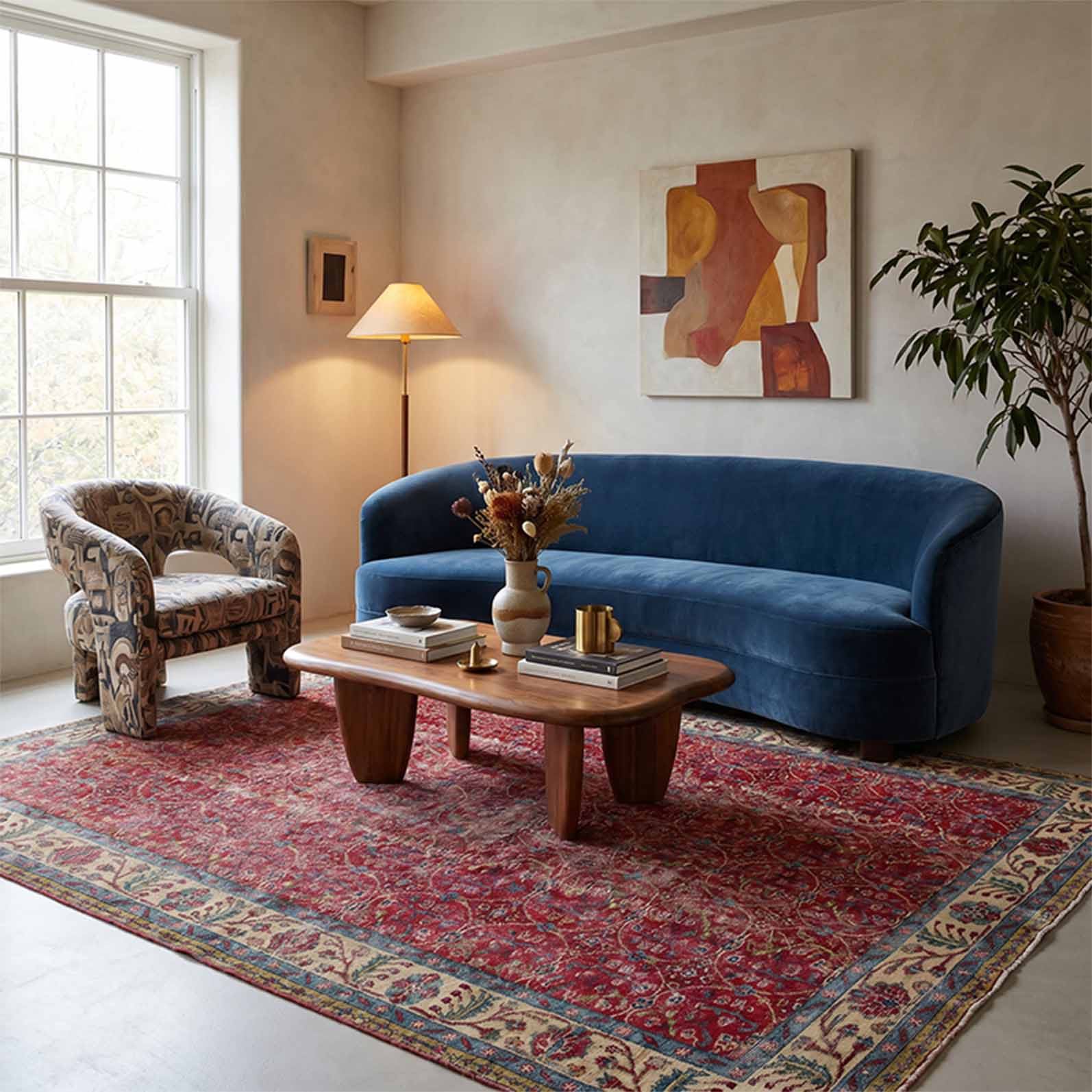
There's a less romantic but equally convincing argument for handwoven vintage rugs: they last.
Vintage rugs are, by definition, already old — and still here. A well-made handwoven piece doesn't wear out the way a machine-made one does. It wears in. The pile softens rather than collapses. The colors continue to shift rather than simply fade. Given reasonable care, a good kilim or hand-knotted rug will look better in fifteen years than it does today. Machine-made rugs tend to peak early and then slowly disappoint — pile that compresses unevenly, colors that go dull rather than warm.
There's something else, too. When you buy a handwoven vintage rug, you're not buying a product designed to a price point and shipped to a warehouse. Someone made this — chose these colors, worked this pattern, sat at this loom long enough to finish it. It survived long enough to reach you, which means it was worth keeping. That weight doesn't announce itself, but it registers in a room in ways that are hard to articulate and easy to feel.
A Final Thought
Good interiors are built slowly, through accumulation and instinct rather than single shopping decisions. But occasionally one piece shifts everything around it.
A handwoven vintage rug tends to be that piece. It doesn't demand attention. It just makes the room feel more like somewhere worth being — and that, in the end, is the whole point.
Kilim Studio specializes in authentic handwoven rugs — vintage, antique, kilim, and hand-knotted Turkish pieces, each selected individually.
