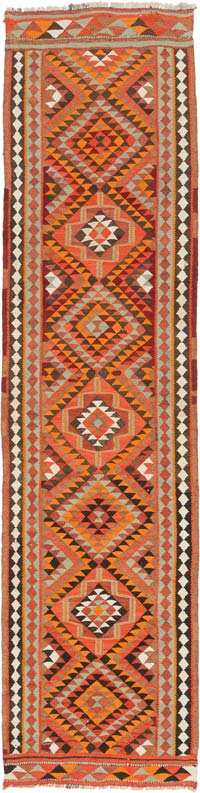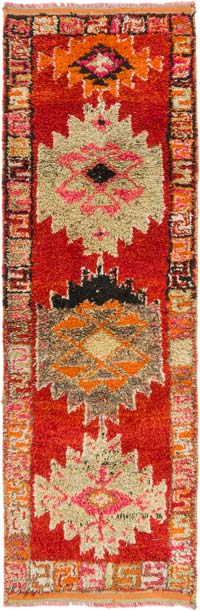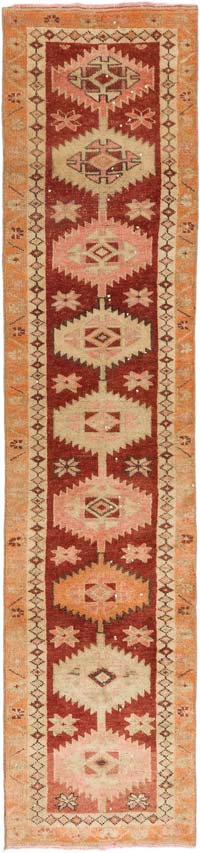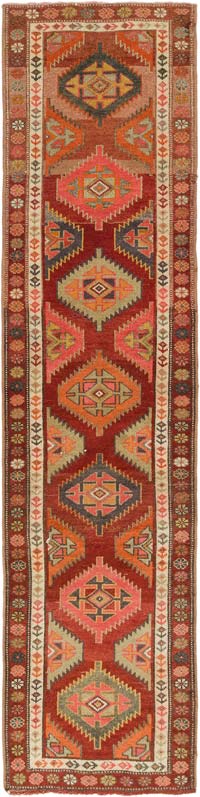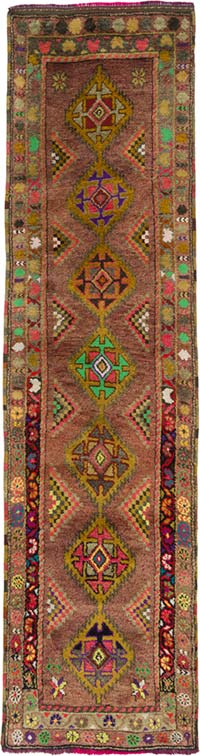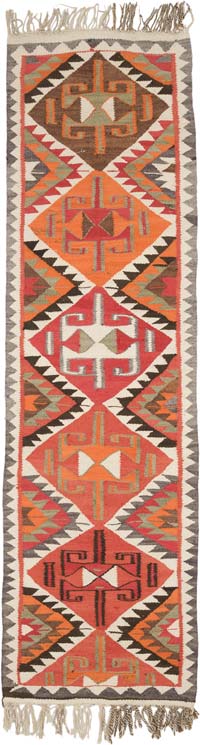
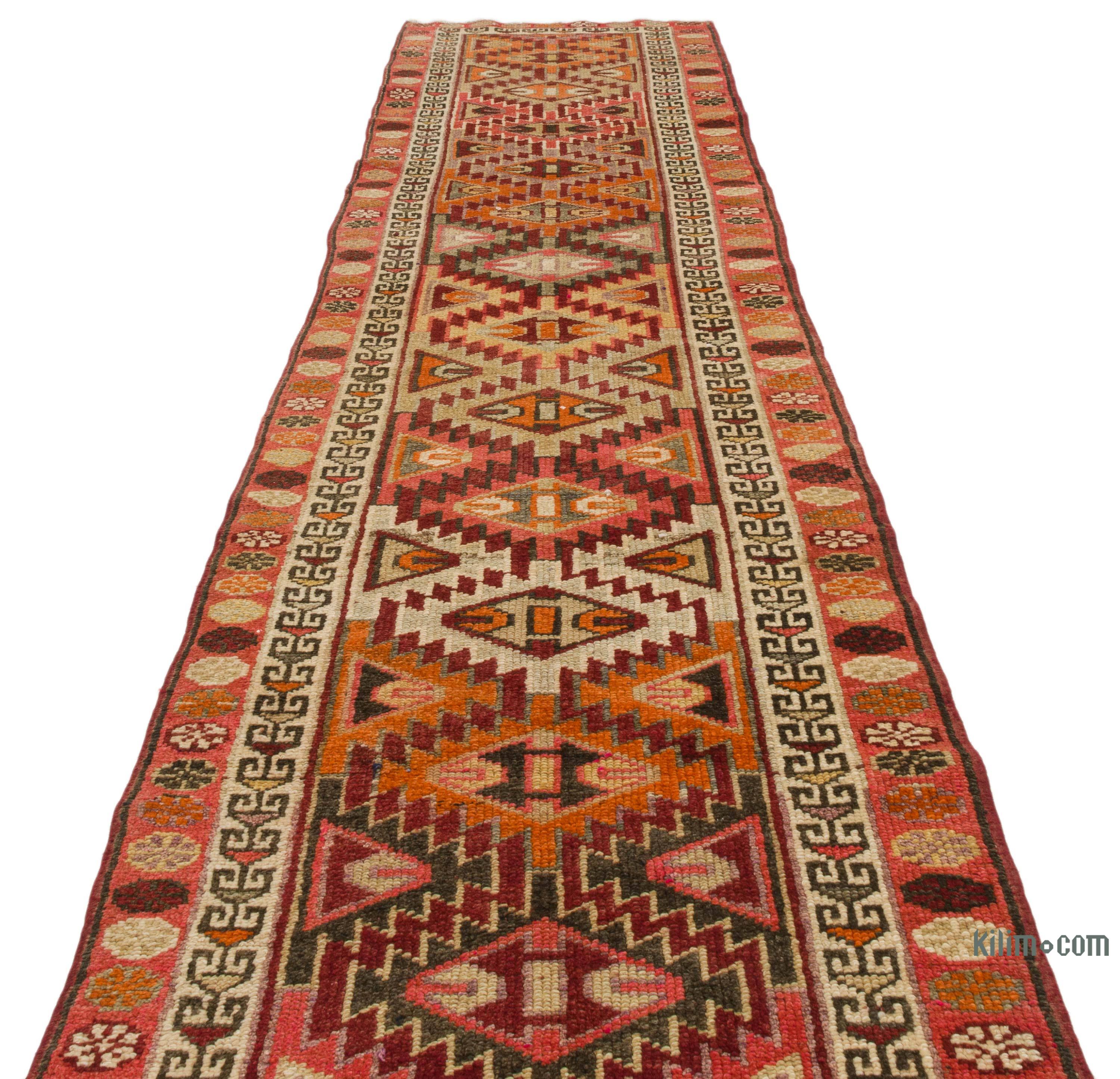
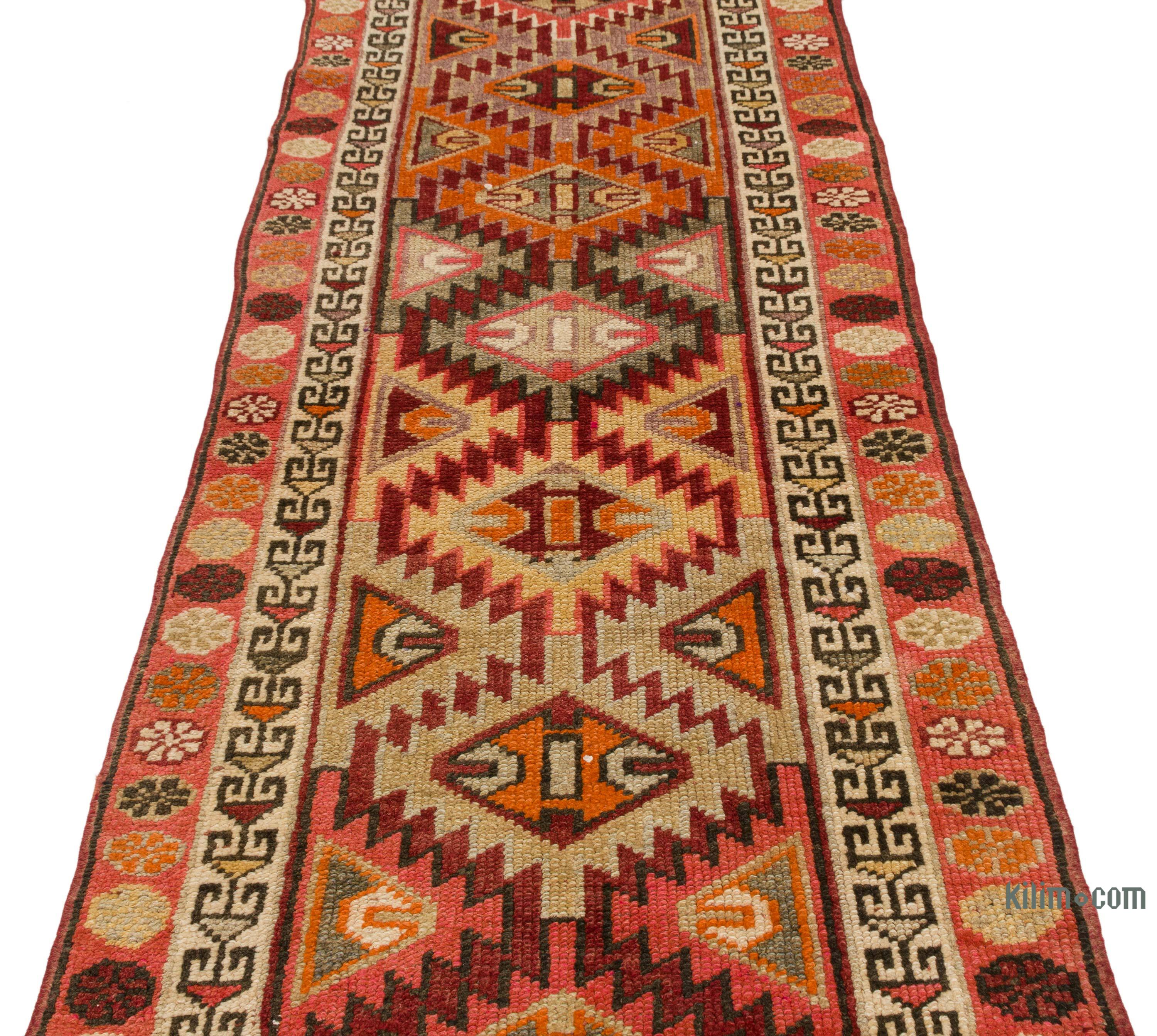
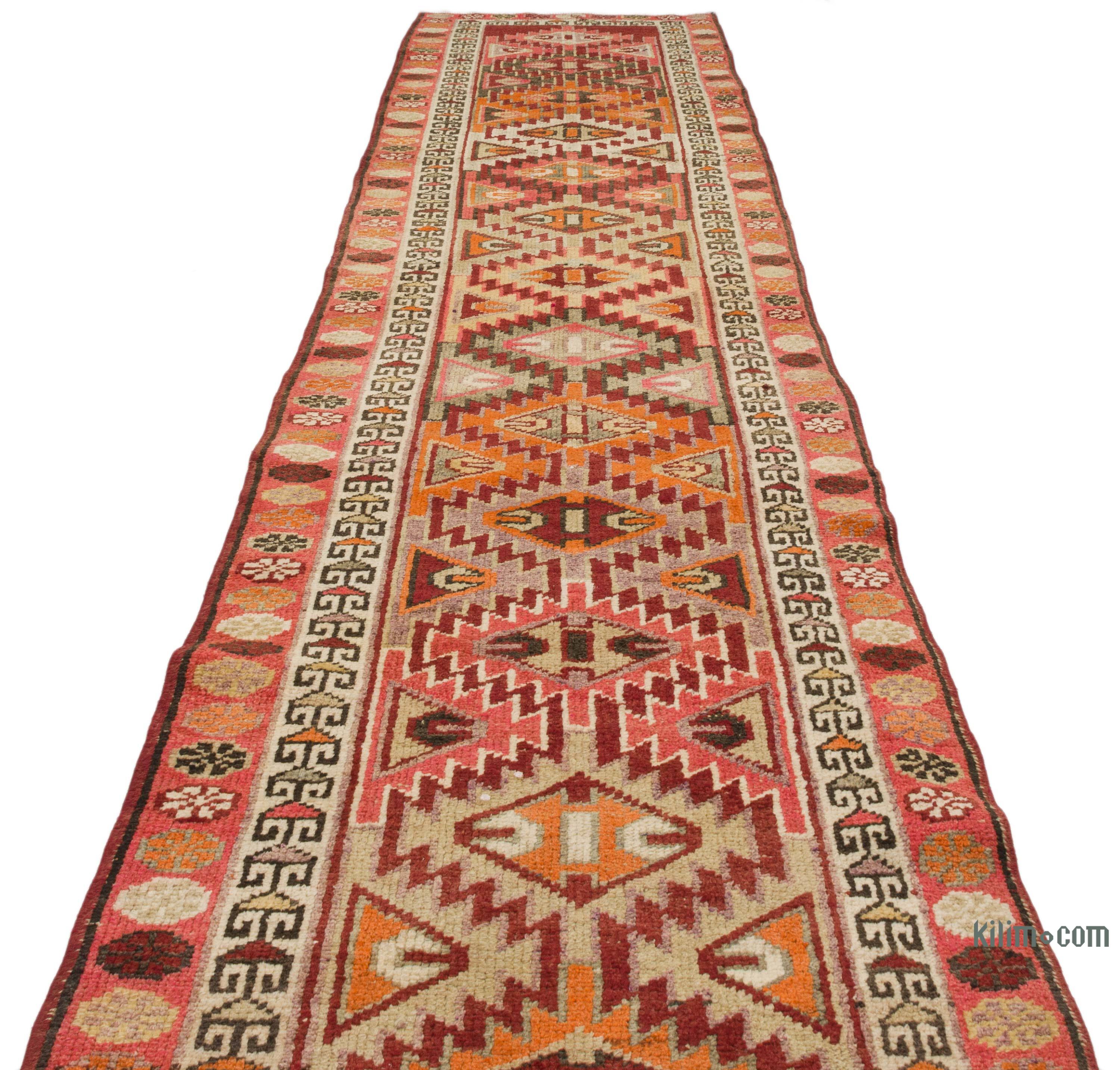
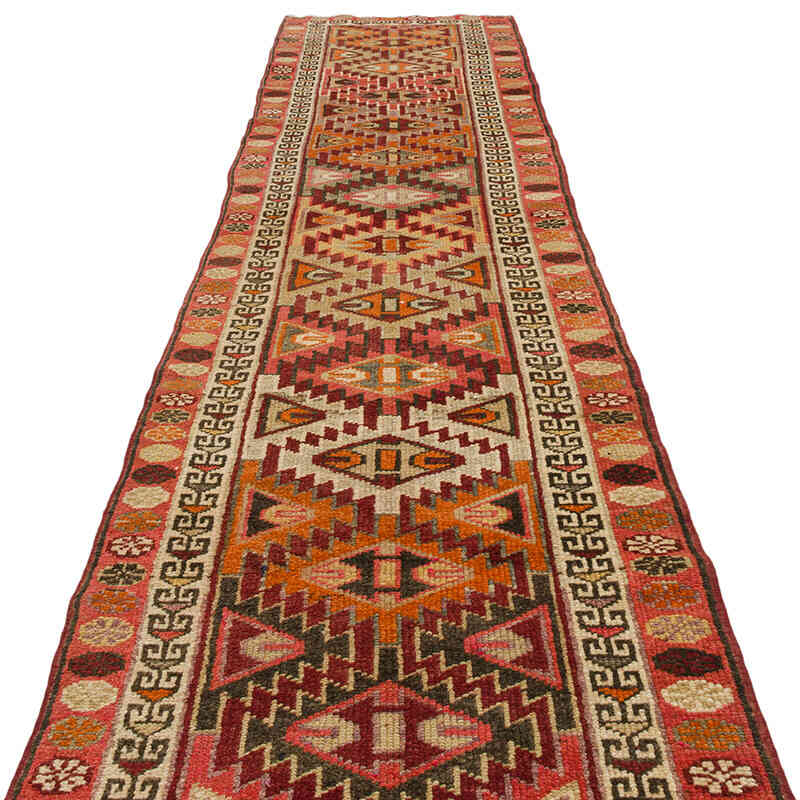

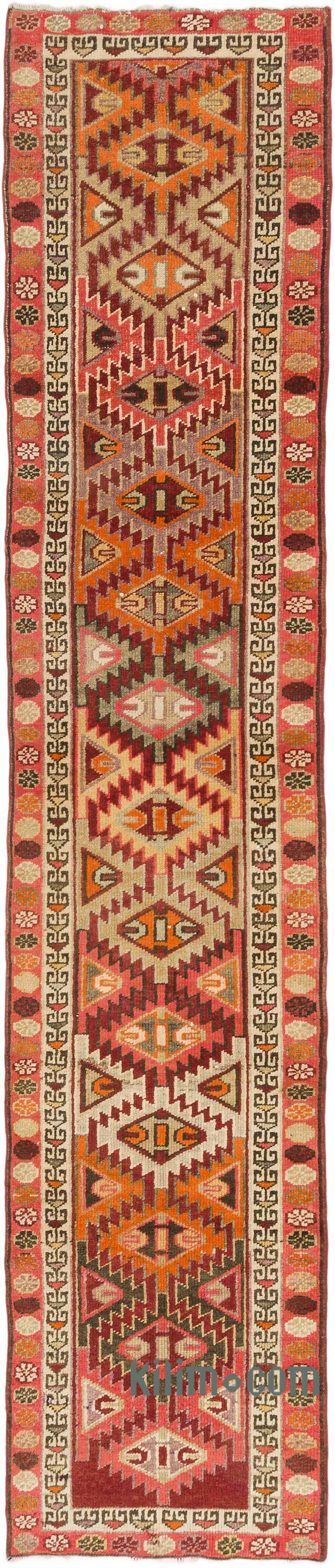
Vintage Tribal Runner Rug 2' 11" x 13' 7" (35" x 163")
Type:
Hand-Knotted RugsCollection:
Tribal RunnersStyle:
TribalID:
K0074639Size:
Material:
- Ships in 2-5 business days
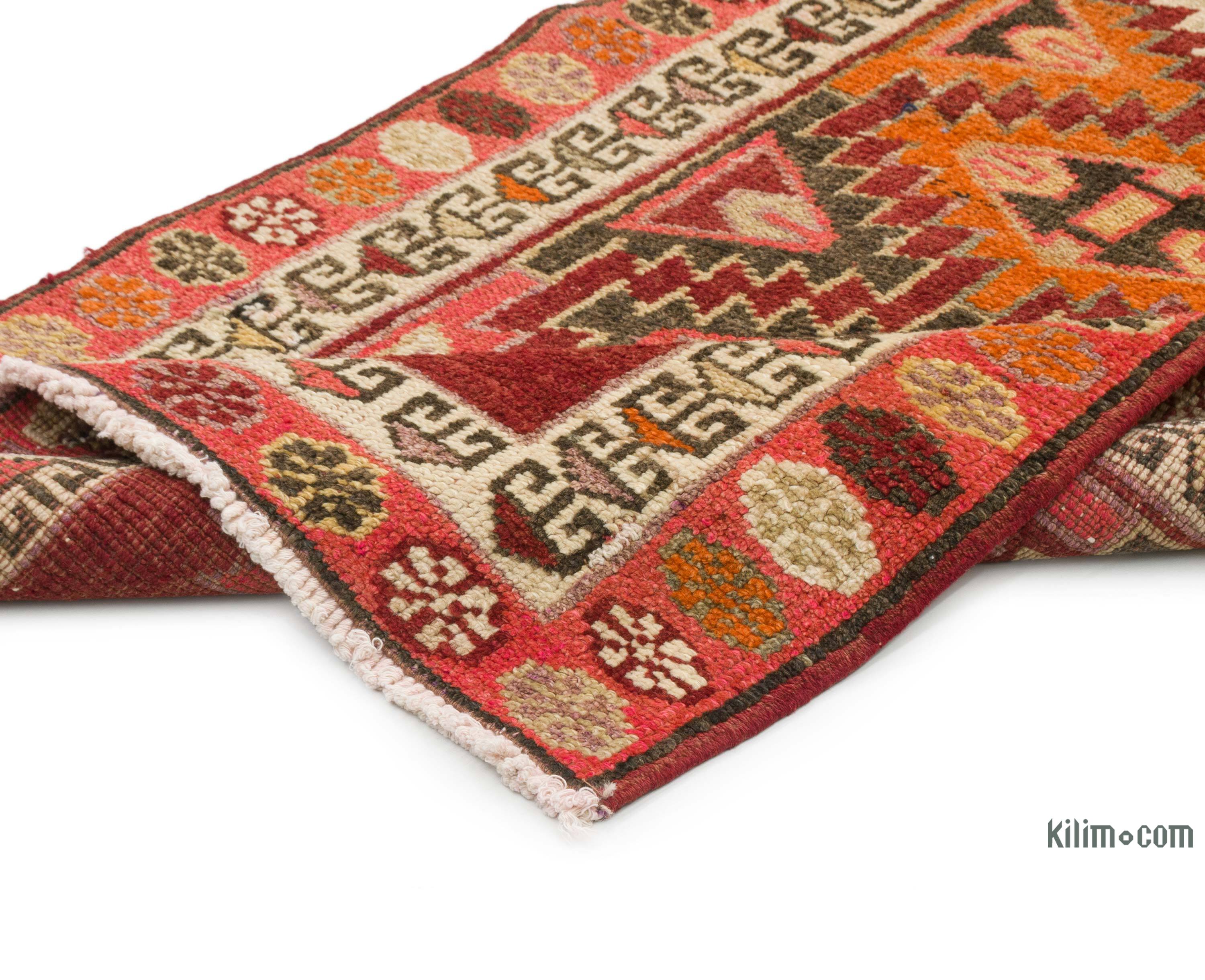
- All of our rugs are professionally cleaned; gentle wear from age and natural irregularities are inherent features of these one-of-a-kind handwoven vintage rugs.
- Only one in stock, handmade, unique
- Free shipping via FedEx Express. Returns & exchanges
- Contact us or add a note to your order if you want us to delay your shipping.
- Request more info if you want this rug shorter or narrower
The designs often feature geometric patterns, symbolic motifs, and a harmonious blend of colors, reflecting the natural landscapes and cultural heritage of the area. These runners not only serve as functional pieces but also as a testament to the enduring legacy of tribal craftsmanship, adding a touch of history and elegance to any space.
Indulge in vintage charm and bring a piece of Anatolian patterns into your living space with this attractive runner that measures 2' 11" x 13' 7" (35" x 163").
Design and Motifs
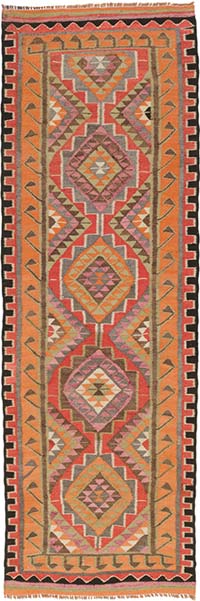
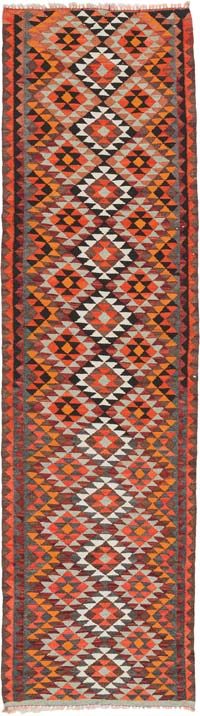
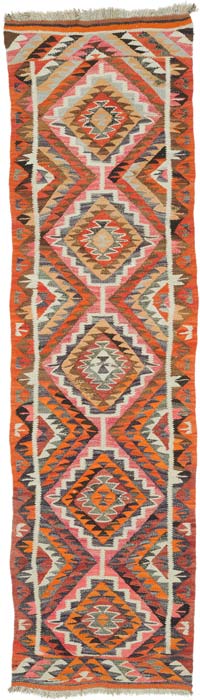
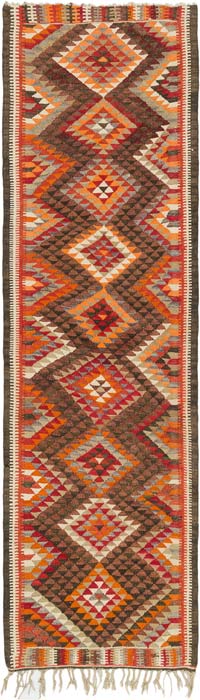
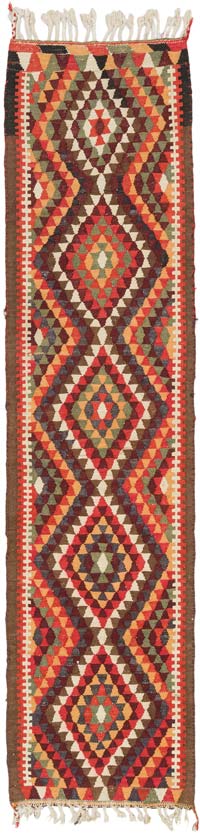
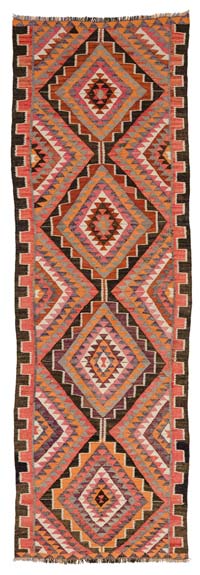
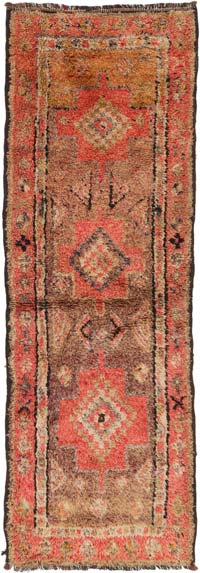
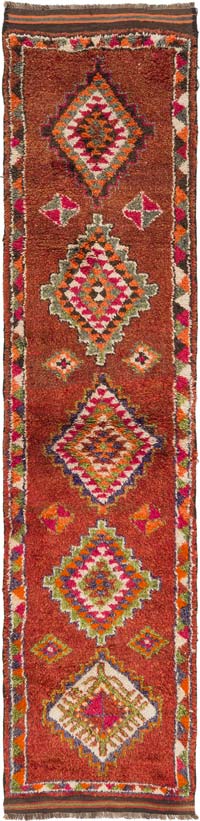
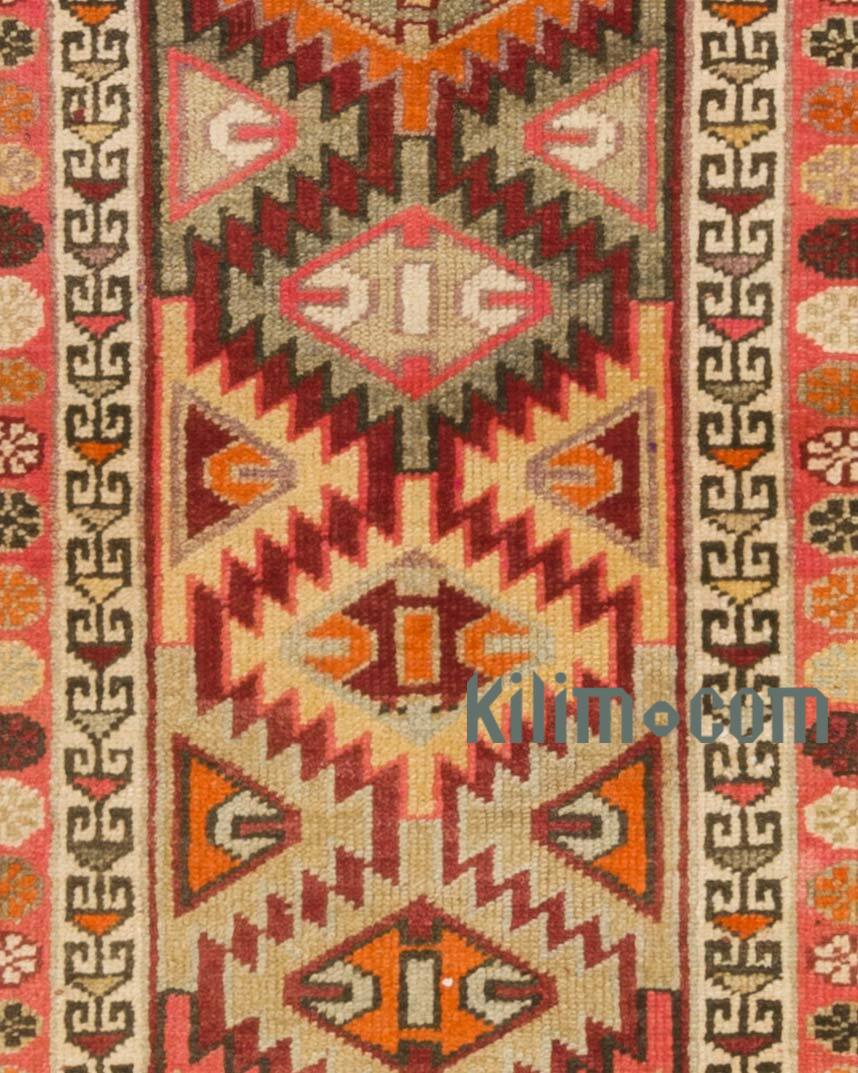
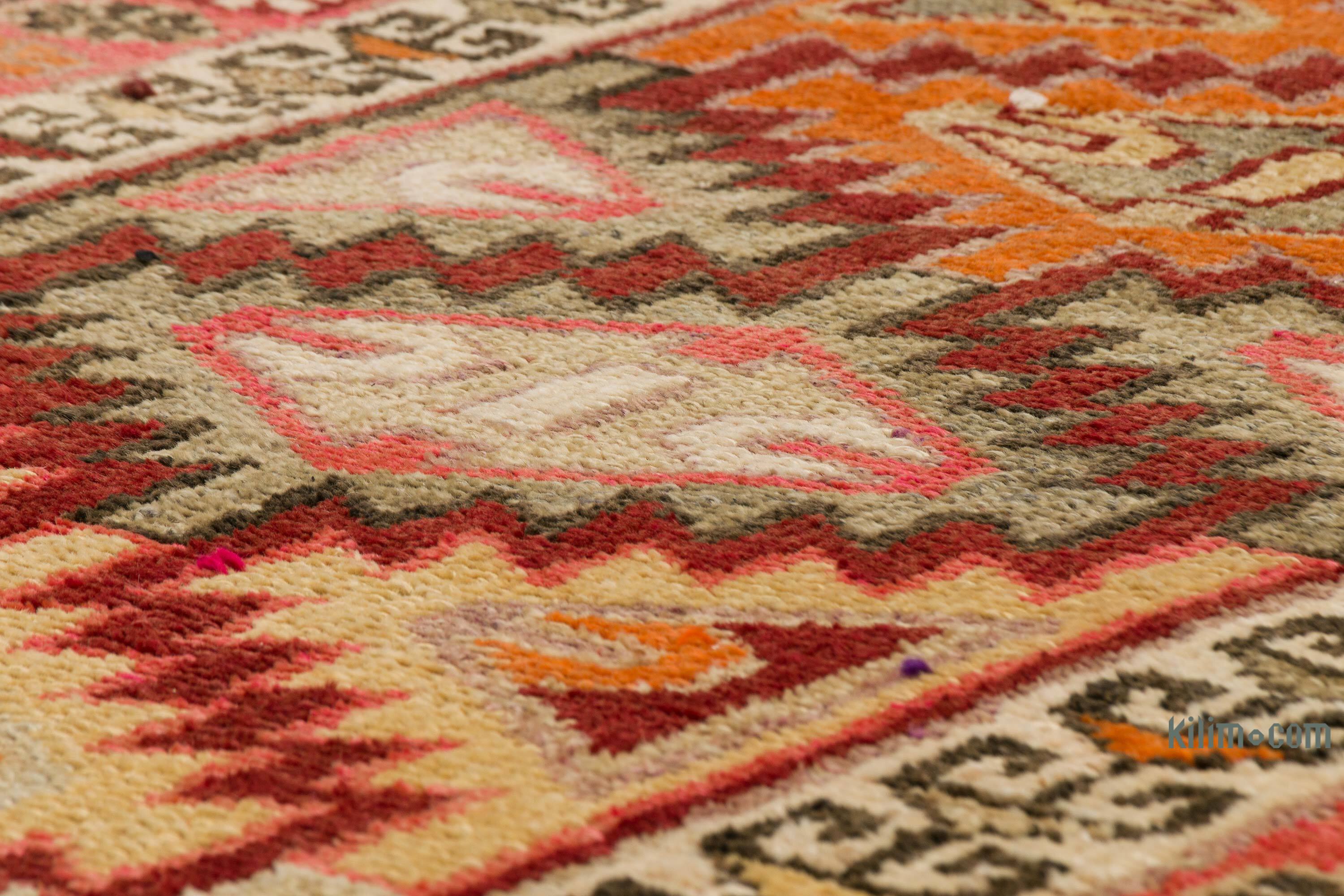
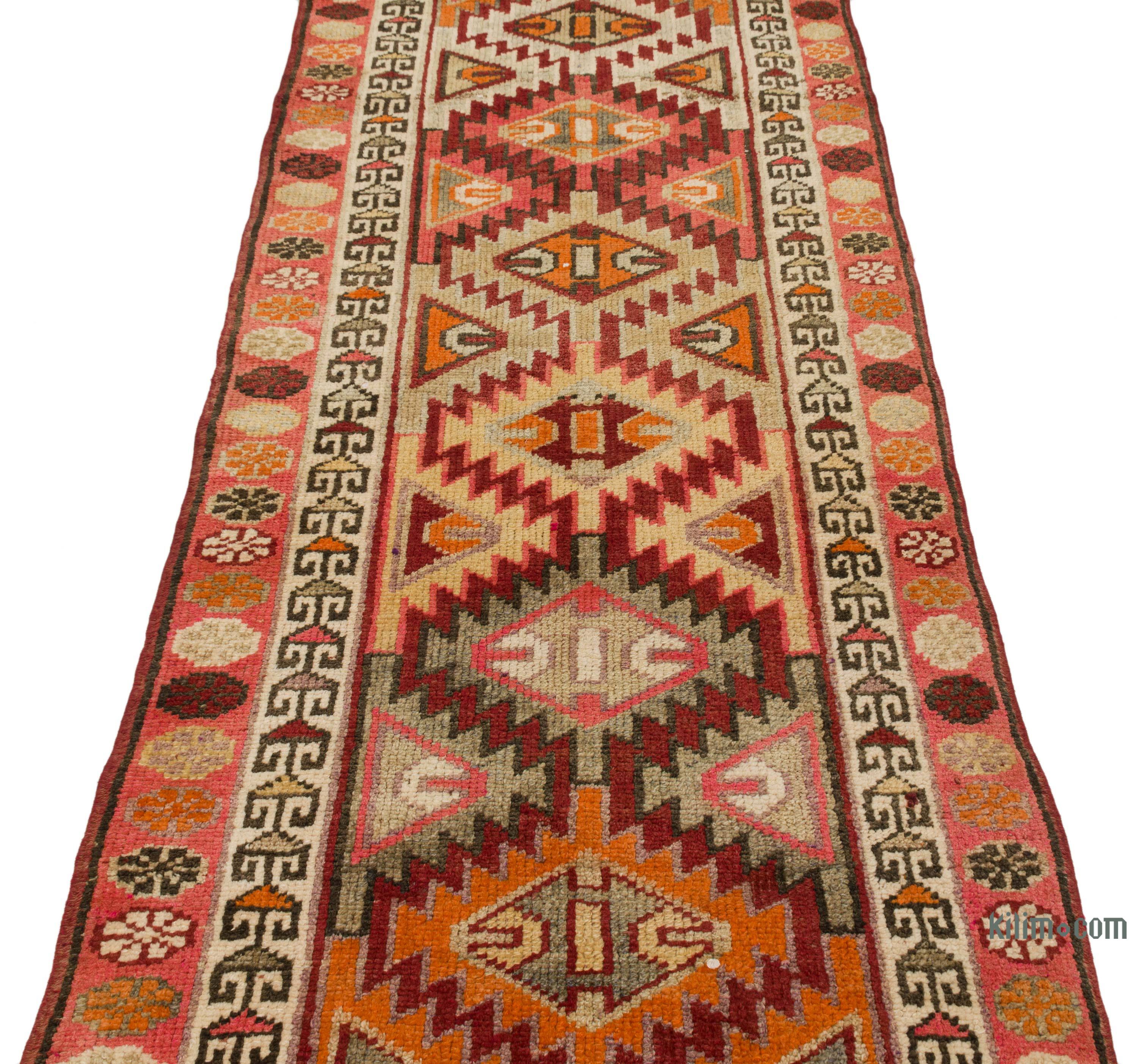
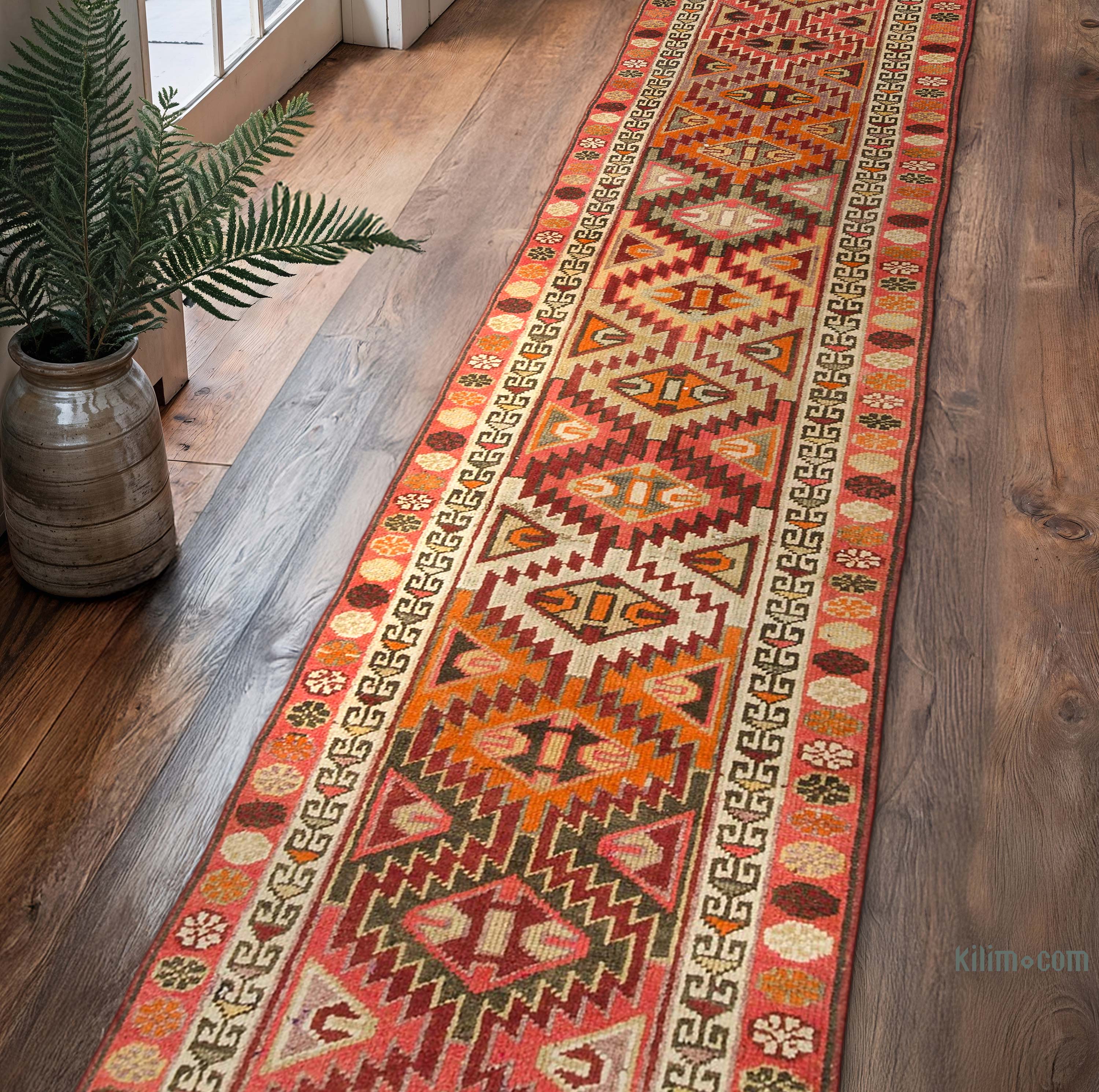
This stunning Kilim rug features a vibrant palette of warm reds, oranges, earthy browns, and soft greens, perfectly balanced with cream and beige accents. Its elongated runner shape makes it a versatile addition to various living spaces. The central field presents a series of interlocking geometric shapes, primarily diamonds and triangles, framed by stepped and zigzag motifs. These are classic Anatolian design elements, symbolizing protection and the flow of life.
Key motifs include:
- Elibelinde (Hands on Hips): Originally representing motherhood and fertility, the repeated diamond patterns echo nurturing energy and female strength embedded within the weaving tradition.
- Horn Motif: Seen in the jagged angular forms surrounding the diamonds, symbolizing protection and power—elements deeply rooted in the hopes and beliefs of the weavers.
- Ram’s Horn Border: The border motifs consist of a run of stylized ram’s horns interspersed with rosettes. This motif stands for masculinity, vigor, and determination.
Each symbol is more than an artistic choice; it represents a layered narrative of Anatolian rural life. The warm colors evoke feelings of abundance and vitality, while the repeated zigzag forms suggest resilience and movement, a reflection of life's continual challenges and triumphs.
Integration with Interior Design Styles
This Kilim rug is highly adaptable to various interior styles by bringing authentic regional craft and vivid color into the space.
- Bohemian: With its bold colors and storytelling motifs, it infuses any eclectic Boho room with warmth and personality, complementing curated collections of global artifacts.
- Rustic and Farmhouse: The earthen tones and geometric designs translate perfectly to rustic interiors, enhancing the cozy, grounded feeling with handcrafted charm.
- Mid-Century Modern: The clean lines of the motifs and the vibrant color contrasts offer an excellent retro touch, harmonizing with simple furniture while adding depth and visual interest.
- Scandinavian: Paired thoughtfully with neutral palettes, the rug introduces a splash of color and intricate craftsmanship, counterbalancing minimalism with cultural richness.
- Contemporary: This Kilim rug acts as a striking focal point in streamlined, modern rooms, creating a warm and inviting vibe amidst sleek surfaces.
Its runner shape suits narrow hallways, kitchens, or entryways, delivering both practical durability and a timeless story expressed through its motifs and colors.
Explore the fascinating tradition of these symbolic designs and their meanings on our Kilim motifs and symbols page for a deeper dive into this rich textile heritage.
Rolling Up
- This Kilim runner showcases classic Anatolian motifs such as Elibelinde, horn shapes, and ram’s horn borders, each conveying symbolic meanings tied to protection, fertility, and strength.
- The richly warm color scheme blends earthy reds, oranges, greens, and neutrals, creating a vibrant yet harmonious look.
- Its versatile design complements a wide range of interiors—from Bohemian and rustic to mid-century modern and contemporary—infusing authentic cultural storytelling into your space.
- The rug’s shape and durability make it ideal for hallways, kitchens, or entryways, where tradition meets function.
- Discover the deeper significance and cultural history behind these motifs by visiting our Kilim motifs and symbols page.
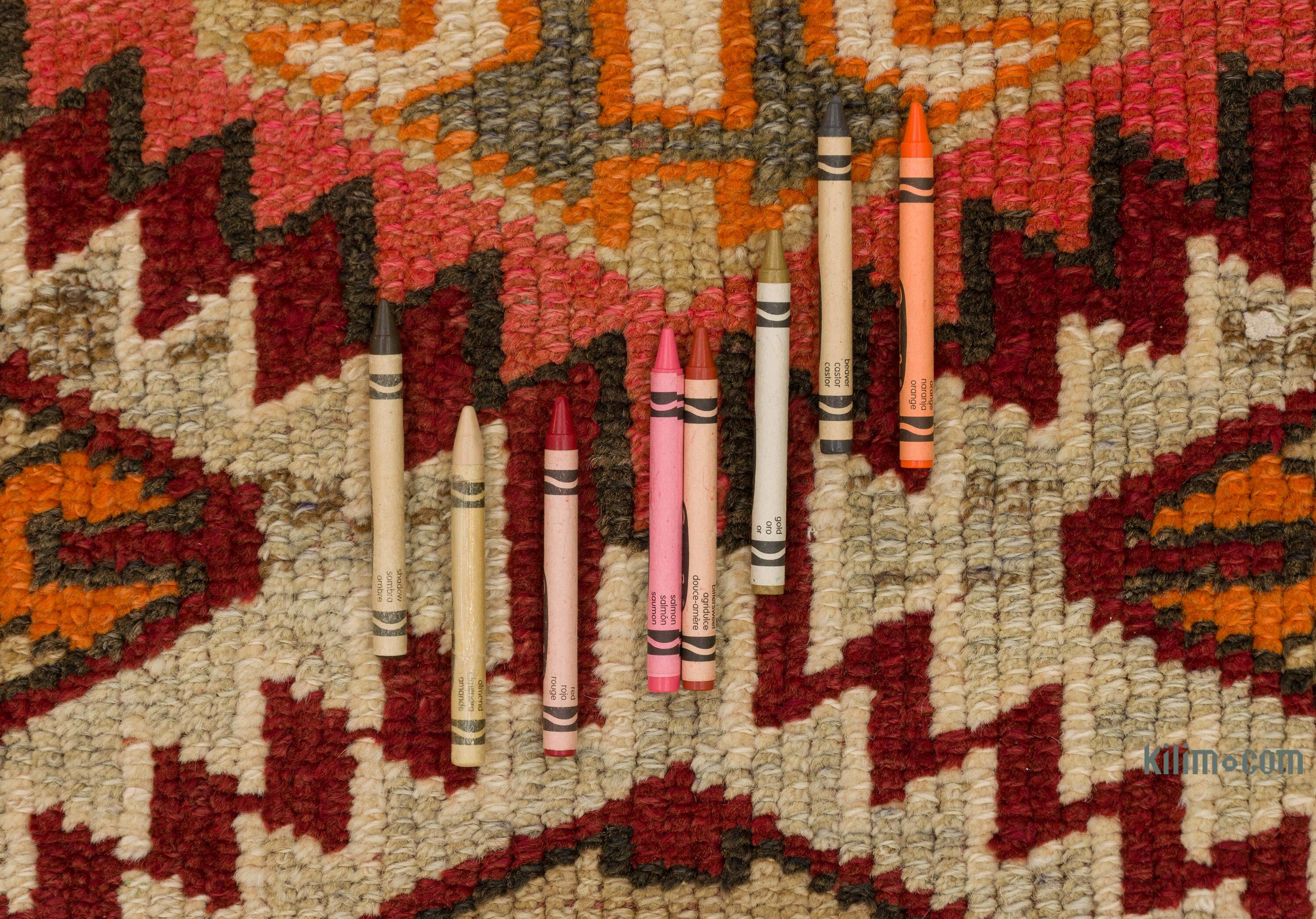
Colors may appear slightly different across various monitors due to screen settings device differences, and external lighting conditions. If color accuracy is important for your space, we recommend viewing the rug on multiple devices or contacting us for a detailed color description. We can provide detailed photos and references using Sherwin-Williams, Benjamin Moore, Pantone, or even Crayola crayons.
You can also visualize most of our products in your own room with AR (augmented reality) on an iPhone or iPad.
Return Policy
Need a rug pad? We recommend RugPadUSA